Economic determinants of social health insurance uptake among rural households in Laikipia North Sub-County, Kenya: a cross-sectional mixed-methods study
Evans Otieno Otieno, Michel Mutabazi, Anastasia Kimeu
Corresponding author: Evans Otieno Otieno, Department of Health Systems Management and Development, School of Public Health, Amref International University, Nairobi, Kenya 
Received: 13 May 2026 - Accepted: 29 Jun 2026 - Published: 10 Jul 2026
Domain: Health information system management
Keywords: Health expenditures, healthcare financing, Kenya, universal health insurance, insurance, health
Funding: This work received no specific grant from any funding agency in the public, commercial, or not-for-profit sectors.
©Evans Otieno Otieno et al. Primary Health Care Practice Journal (ISSN: 3105-7624). This is an Open Access article distributed under the terms of the Creative Commons Attribution International 4.0 License (https://creativecommons.org/licenses/by/4.0/), which permits unrestricted use, distribution, and reproduction in any medium, provided the original work is properly cited.
Cite this article: Evans Otieno Otieno et al. Economic determinants of social health insurance uptake among rural households in Laikipia North Sub-County, Kenya: a cross-sectional mixed-methods study. Primary Health Care Practice Journal. 2026;5:7. [doi: 10.11604/PHCP.2026.5.7.53352]
Available online at: https://www.phcp-journal.org//content/article/5/7/full
Research 

Economic determinants of social health insurance uptake among rural households in Laikipia North Sub-County, Kenya: a cross-sectional mixed-methods study
Economic determinants of social health insurance uptake among rural households in Laikipia North Sub-County, Kenya: a cross-sectional mixed-methods study
Evans Otieno Otieno1,&, Michel Mutabazi1, Anastasia Kimeu1
&Corresponding author
Introduction: social health insurance (SHI) is a key strategy for achieving universal health coverage, yet uptake remains suboptimal among pastoralist populations in Kenya. This study examined the economic factors associated with SHI uptake among households in Laikipia North Sub-County.
Methods: a convergent parallel mixed-methods cross-sectional study was conducted among 398 household decision-makers selected through proportionate allocation and systematic random sampling. SHI uptake was measured using enrolment, continuity of premium payment, and utilization of SHI-covered healthcare services. Economic factors included household income, employment status, premium affordability, and asset ownership, analysed using chi-square tests and multivariable logistic regression. Qualitative data were obtained from five purposively selected Key Informant Interviews with health managers and government administrators, and two focus group discussions with male and female household decision-makers, analysed thematically and integrated during interpretation.
Results: overall, 67.6% of respondents were enrolled in SHI. Employment status showed the strongest association with uptake, significantly associated with enrolment (χ2=55.67, p<0.001), continuity of payment (χ2=20.12, p=0.002), and service utilization (χ2=17.89, p=0.005). In adjusted analyses, employment status (AOR=2.44, 95% CI: 1.52-3.91) and premium affordability (AOR=1.79, 95% CI: 1.14-2.81) remained independently associated with enrolment. Income showed only a modest association with enrolment, and asset ownership was not significant. Qualitative findings highlighted seasonal incomes, drought-related shocks, and competing household priorities as barriers to sustained participation.
Conclusion: employment status and premium affordability, rather than income or asset ownership, were the economic factors most strongly associated with SHI uptake. Flexible contribution arrangements aligned to pastoralist livelihoods may improve enrolment and continuity of participation.

Universal health coverage (UHC) remains a central goal of health systems worldwide and is integral to achieving Sustainable Development Goal 3 [1]. A critical component of UHC is ensuring that individuals can access needed healthcare services without experiencing financial hardship [2]. Prepayment mechanisms such as social health insurance (SHI) are considered central to achieving this goal, particularly in low- and middle-income countries (LMICs) where out-of-pocket expenditure drives catastrophic health expenditure [3]. In Kenya, the Social Health Insurance Act of 2023 replaced the National Hospital Insurance Fund (NHIF) with the Social Health Authority (SHA) under the Taifa-Care program, requiring households to contribute 2.75% of declared income, subject to a minimum monthly floor of approximately Ksh 300 [4].
Economic factors are consistently identified as the most decisive barriers to SHI participation across LMICs. Wealth, income stability, and employment type predict insurance uptake in Uganda [5], Indonesia [6], Ethiopia [7], and Nigeria [8]. In Kenya, Barasa et al. documented that NHIF premiums remained structurally unaffordable for poor and rural households [9], while Mulupi et al. demonstrated that affordability barriers extend beyond premiums to encompass travel costs and out-of-pocket expenditures at the point of care [10].
These challenges are particularly acute in Laikipia North Sub-County, a predominantly pastoralist, semi-arid area where 44.6% of households live below the poverty line, and incomes are tightly tied to livestock markets, rainfall cycles, and seasonal labour [11,12]. For many households, the minimum monthly SHA contribution of KSh. 300 can represent more than 10% of total monthly expenditure, well above the 5% affordability threshold commonly accepted for health financing [13]. Limited access to health facilities (mean distance of 11.7 km to the nearest facility), weak digital infrastructure, and ongoing SHA provider reimbursement delays further compound economic barriers [11,14]. Despite growing evidence on economic determinants of SHI uptake nationally [9,10,15], few studies have examined how income volatility, livelihood seasonality, and climate-induced financial shocks interact in remote Kenyan pastoralist contexts.
Theoretical framework: the study was guided by the expected utility theory [16], which posits that individuals make decisions by weighing anticipated benefits against expected costs under conditions of uncertainty. Within health financing contexts, households are expected to enroll in insurance schemes when the perceived benefits of financial protection outweigh the costs associated with contributions. Economic factors such as employment stability, premium affordability, household income, and ownership of productive assets influence perceptions of both risk and financial capacity. The theory therefore provides a useful framework for understanding how rural households evaluate participation in SHI schemes. In this study, employment status, household income, premium affordability, and asset ownership were conceptualized as economic factors influencing households´ perceived costs and expected benefits of SHI participation.
Study objective: to determine the influence of economic determinants on social health insurance uptake among rural households in Laikipia North Sub-County, Kenya.

Study design: a convergent parallel mixed-methods cross-sectional study design was employed. Quantitative and qualitative data were collected concurrently, analyzed separately, and integrated during interpretation to provide a comprehensive understanding of the economic determinants of SHI uptake.
Study setting: the study was conducted in Laikipia North Sub-County, Laikipia County, Kenya. The sub-county comprises four wards, Sosian, Segera, Mukogodo West, and Mukogodo East, with a total population of 36,184 individuals residing in 7,752 households where livelihoods are predominantly pastoral and subsistence agricultural households [17]. Data collection was conducted between 6th and 24th January 2026.
Study population: the study targeted household decision-makers responsible for healthcare and financial decisions within their households.
Inclusion criteria: participants were eligible if they were aged 18 years or older, had resided in Laikipia North Sub-County for at least six months, and were responsible for household healthcare or financial decision-making.
Exclusion criteria: individuals who were unable to participate due to illness or communication difficulties, and visitors who had not met the residency requirement, were excluded.
Sample size determination: the target population comprised all 7,752 households in Laikipia North Sub-County. The minimum sample size was calculated using Yamane´s (1967) formula for finite populations [18]:
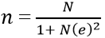
Where n is the required sample size, N is the population size (7,752 households), and e is the level of precision (0.05), corresponding to a 95% confidence level and a 5% margin of error. Substituting the study values:

Sampling procedure: a two-stage sampling approach involving proportionate allocation across wards followed by systematic random sampling was employed. The proportionate ward allocations are presented in Table 1 [20].

where nh is the sample for each ward, Nh is the ward household population, N is the total household population, and n is the required sample size. Systematic random sampling was used to select households within each ward. Where selected respondents were unavailable, repeat visits were conducted before replacement using the predetermined sampling interval. The sampling interval (k) was determined by dividing the total household population (7,752) by the target sample (418), resulting in k ≈ 18.6, which was rounded to 18 households. For the qualitative component, purposive sampling was used to recruit health managers and government administrators with relevant experience.
Study variables: dependent variable was SHI uptake and was measured through enrollment status, continuity of premium payment, and healthcare service utilization. Independent variables were household income, employment status, premium affordability, and asset ownership. Potential confounders included age, sex, education level, marital status, household size, and ward of residence.
Variable measurement: current SHI enrolment was measured as a binary outcome (enrolled/not enrolled). Continuity of premium payment was assessed based on whether respondents had maintained regular premium contributions during the preceding 12 months and categorized as continuous payment or missed/delayed payment. Social health insurance service utilization was assessed by asking enrolled respondents whether they had utilized SHI-covered healthcare services during the previous 12 months (yes/no).
Measurement of economic variables: household monthly income was self-reported by respondents and categorized into four groups: less than KES 1,000, KES 1,000-5,000, KES 5,001-10,000, and more than KES 10,000 per month. These categories were selected to reflect the income distribution within the study area and to facilitate comparison of SHI uptake across different economic strata.
Employment status was classified into three categories: unemployed, self-employed, and casual/temporary employment. Respondents were assigned to the category that best reflected their primary source of livelihood during the preceding 12 months. Premium affordability was assessed using respondents´ perceptions of their ability to meet current SHI contribution requirements without compromising essential household needs. Participants were asked whether they considered the current SHI premium affordable for their household. Responses were recorded as either affordable or not affordable. To improve measurement reliability, affordability was assessed using a multi-item scale examining the ability to pay contributions consistently, meet competing household expenses, and maintain payments during periods of financial strain. The scale demonstrated acceptable internal consistency (Cronbach´s α = 0.78) and was subsequently dichotomized for analysis.
Asset ownership was measured through ownership of key productive assets commonly used as indicators of household economic status in pastoralist settings. Respondents were asked whether their household owned land and/or livestock. Households reporting ownership of either land, livestock, or both were classified as asset owners, while those reporting ownership of neither asset were classified as non-owners.
Data collection: quantitative data were collected using a structured interviewer-administered questionnaire. An electronic tool, KoboCollect, was administered by a trained enumerator at the household level. Qualitative data were collected using semi-structured interviews and discussion guides (KII and FGD). The interviews were conducted at the convenience of the interviewees, mostly in their offices. The questionnaire was pre-tested among 42 (10% of the final target sample) respondents in a neighbouring setting with similar characteristics. Necessary revisions were made before the main study.
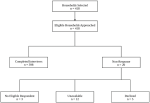
Participation flow: the households eligible were 7,752; the study sampled 418 using the Yamane sampling formula. Of the 418, only 398 completed the interviewer-administered questionnaire, 20 were non-response and 12 were unavailable after repeat visits, five refused, and there were no eligible respondents in three households. Figure 1 presents the participation flow.
Validity and reliability: content validity was assessed through expert review by specialists in health systems and health financing. The questionnaire was pre-tested among 42 respondents from a neighbouring Nyahururu Sub-County, which has similar characteristics. Internal consistency reliability of the multi-item affordability scale was evaluated using Cronbach´s alpha, which achieved α = 0.78, indicating acceptable reliability. The electronic platform incorporated mandatory response fields and range checks, which limited item non-response and supported consistent data capture across enumerators.
Bias: potential selection bias was minimized through proportionate allocation of households across wards, systematic random sampling, and repeat household visits before replacement. Recall bias was reduced through interviewer training and the use of standardized data collection instruments.
Data analysis: quantitative data were analyzed using descriptive statistics, chi-square tests, and multivariable logistic regression. Variables with p-values below 0.20 during bivariate analysis and those supported by theory were entered into multivariable models. Age, sex, education level, marital status, household size, and ward of residence were adjusted for as potential confounders. Missing data were minimal (<5%) and were handled using complete-case analysis. Household income was analyzed as a categorical variable using four predefined income groups (
Missing data: missing data ranged from 0% to 4.3% across study variables, and complete-case analysis was performed. The income variable had the highest rate with 4.3% missing data, followed by continuity of payment at 2%, service utilization at 1.8%, and premium affordability at 1%. Both employment and enrollment status had no missing data.
Statistical methods: quantitative data were analyzed using IBM SPSS Statistics version 26. Cases with missing values on key variables were handled through complete-case analysis for the relevant test; item non-response was minimal given the mandatory-field design of the electronic questionnaire. Pearson´s chi-square (χ2) tests of independence and Cramér´s V assessed associations between economic variables and SHI uptake, with V interpreted as 0.10-0.29 = small, 0.30-0.49 = moderate, and ≥ 0.50 = large effect [21]. Binary logistic regression was used to identify independent economic predictors of uptake after adjusting for confounders, and variance inflation factor (VIF) values (range: 1.08-4.67) confirmed no multicollinearity.
To assess the robustness of the income-related findings and rule out classification bias arising from the categorical grouping of income, income was additionally examined as a continuous variable in a supplementary logistic regression model, and the association between income and enrollment was re-examined after stratifying by employment status to test whether the observed effect of income was independent of, or confounded by, employment category.
Qualitative data were transcribed verbatim and analyzed thematically following Braun and Clarke´s six-phase framework [22]. Integration was achieved through joint displays comparing quantitative results with qualitative themes at the interpretation stage [23]. The study was grounded theoretically in expected utility theory [16], which holds that households enroll in insurance when the perceived net benefit exceeds the cost of contributions.
Sensitivity analysis: sensitivity analyses using continuous-income measures and employment-stratified models produced findings consistent with the primary analysis, supporting the robustness of the observed associations.
Ethical considerations: ethical approval was granted by the Amref Health Africa Ethics and Scientific Review Committee (Reference: ESRC-P-24-2025-001) and the National Commission for Science, Technology and Innovation (NACOSTI). All participants provided informed consent prior to participation. For participants with limited literacy, verbal consent was obtained in the presence of a witness. Confidentiality and anonymity were maintained throughout; personal identifiers were not recorded, and unique codes were assigned to all participants. Data were stored in password-protected devices accessible only to the research team.
Participant flow and response rate: a total of 418 households were selected for participation. Of these, 398 household decision-makers completed the survey and were included in the analysis, yielding a response rate of 95.2%. Among the 20 households not included, 12 respondents were unavailable despite repeated visits, five declined participation, and three households did not have an eligible respondent at the time of data collection. No substantial differences in non-response were observed across the study wards. Figure 1 presents the participant flow through the study.
Characteristics of study participants: Table 2 presents the economic characteristics of the respondents. The mean monthly household income was KES 4,812 (SD = 7,892), reflecting considerable variation in household earnings. Nearly two-fifths of respondents (38.9%) were unemployed, while 30.4% were self-employed and 30.7% were engaged in other forms of employment. More than two-thirds (68.3%) reported that SHI premiums were unaffordable. Asset ownership was common, with 72.4% of households owning land and 66.6% owning livestock. Data completeness exceeded 95% for all study variables, with no variable recording more than 5% missing data. Qualitative findings provided additional insight into the economic circumstances of participating households. Respondents described livelihoods characterized by seasonal income flows, heavy reliance on livestock production, and recurrent drought-related shocks that affected household financial stability. One participant explained: “income is not constant. Sometimes you can sell animals and get money, but there are months when there is nothing” (FGD M5). Another participant emphasized the importance of income timing rather than income alone: “the problem is not only income; it is whether the income comes at the right time when the contribution is needed” (FGD F6). “Many people register when there is a campaign, but after some time they fail to continue because getting money every month is not easy” (FGD F2). Similarly, a key informant noted: “enrolment may happen once, but continuity becomes difficult when families experience drought or livestock losses” (KII 3).
Social health insurance uptake: social health insurance uptake was assessed using three indicators: enrolment status, continuity of premium payment, and utilization of SHI-covered healthcare services (Table 3). Overall, 67.6% of respondents (n = 269; 95% CI: 62.9-72.1) reported being enrolled in SHI, while 32.4% (n = 129) were not enrolled. Among enrolled respondents, 68.4% (n = 184; 95% CI: 62.5-73.9) reported making premium contributions consistently, whereas 31.6% (n = 85) reported missed or delayed payments. Similarly, 64.7% (n = 174; 95% CI: 58.7-70.4) had utilized SHI-covered healthcare services during the preceding 12 months, while 35.3% (n = 95) had not utilized covered services despite being enrolled.
Qualitative findings reinforced this pattern. Participants frequently reported enrolling during registration campaigns but experiencing difficulties maintaining regular contributions over time.
Bivariate analysis of economic determinants and SHI uptake: Table 4 presents the bivariate associations between economic factors and the three dimensions of SHI uptake.
Employment status demonstrated the strongest association with SHI uptake across all three indicators. Significant associations were observed with enrolment (χ2 = 55.67, p < 0.001, V = 0.374), continuity of premium payment (χ2 = 20.12, p = 0.002, V = 0.225), and healthcare service utilization (χ2 = 17.89, p = 0.005, V = 0.212). The moderate effect size observed for enrolment suggests that employment status plays an important role in shaping participation in SHI programmes.
Qualitative findings supported these results. Respondents consistently linked regular employment with an improved ability to meet contribution requirements. “People with regular jobs can plan for the payments. For pastoralists, income comes only when animals are sold” (FGD M8).
Premium affordability was also significantly associated with enrolment, continuity of payment, and healthcare service utilization (all p < 0.01). Households that perceived premiums as affordable were more likely to participate consistently in SHI. “People are complaining that they have kids to pay school fees. They will opt to meet their immediate needs rather than pay for SHA” (KII 1).
Income level showed a statistically significant but relatively weak association with enrolment (χ2 = 11.23, p = 0.047, V = 0.168). However, income was not significantly associated with continuity of premium payment or healthcare service utilization. Similarly, asset ownership showed weak and non-significant associations with enrolment (χ2 = 9.78, p = 0.082, V = 0.157), continuity of payment, and service utilization. Participants explained that livestock and land often function as long-term stores of wealth rather than readily available sources of cash for routine expenditures. “Animals are wealth, but people do not sell them unless there is a serious problem” (FGD M4).
Multivariable analysis of economic determinants of SHI uptake: variables demonstrating theoretical relevance and statistical significance at bivariate analysis were entered into multivariable logistic regression models. Age, sex, education level, marital status, household size, and ward of residence were included as potential confounders. Results are presented in Table 5. After adjustment, employment status and premium affordability remained independently associated with SHI enrolment. Compared with unemployed respondents, those in employment had significantly higher odds of being enrolled in SHI (AOR = 2.44, 95% CI: 1.52-3.91, p < 0.001). Likewise, respondents who perceived SHI premiums as affordable were more likely to be enrolled than those who considered them unaffordable (AOR = 1.79, 95% CI: 1.14-2.81, p = 0.011).
Employment status also remained significantly associated with continuity of premium payment (AOR = 1.95, p = 0.023), while premium affordability was associated with more consistent premium payment (AOR = 2.05, p = 0.009). Although positive associations were observed between these economic factors and healthcare service utilization, the associations did not remain statistically significant after adjustment.
Household income demonstrated only a modest association with enrolment at the bivariate level and did not retain significance in the adjusted models. Similarly, asset ownership was not independently associated with any dimension of SHI uptake. Taken together, these findings suggest that employment status and perceived affordability exert a stronger influence on SHI participation than income level or ownership of productive assets alone.
Additional and sensitivity analyses: additional analyses were conducted to assess the robustness of the findings. Models using income as a continuous variable produced results consistent with the primary analysis, with employment status and premium affordability remaining the most important economic factors associated with SHI uptake. Employment-stratified analyses yielded similar patterns of association, indicating that the observed relationships were not driven by a particular employment category. No meaningful interaction effects were identified. Overall, the sensitivity analyses supported the stability and robustness of the final multivariable models. The qualitative themes and illustrative quotations are summarized in Table 6.
Key findings: this study examined the economic factors associated with SHI uptake among rural households in Laikipia North Sub-County, Kenya. The findings indicate that employment status and premium affordability were the economic factors most strongly associated with SHI participation. Respondents who were employed and those who perceived premiums as affordable were more likely to be enrolled in SHI and to maintain regular premium payments. In contrast, household income showed only a modest association with enrolment and was not associated with continuity of payment or healthcare service utilization after adjustment. Asset ownership was also not significantly associated with SHI uptake.
The qualitative findings provide important context for these patterns. Participants described livelihoods characterized by seasonal income flows, recurrent droughts, livestock losses, and competing household priorities, all of which affected their ability to make regular insurance contributions. Together, the quantitative and qualitative findings suggest that the predictability of household livelihoods and the perceived affordability of premiums may be more important for sustained participation in SHI than income level alone.
Employment status and SHI uptake: employment status emerged as the strongest economic factor associated with SHI uptake in this study. Respondents in employment had significantly higher odds of being enrolled in SHI and maintaining regular premium payments than unemployed respondents. The strong association observed at the bivariate level remained significant after adjustment for potential confounders, underscoring the importance of employment in facilitating participation in health insurance schemes.
These findings are consistent with evidence from Kenya [4], Ethiopia [7], Uganda [5], and Ghana [24], where employment and livelihood security have been identified as important determinants of insurance enrolment. Employment provides a more predictable flow of resources, enabling households to plan for recurring expenditures such as insurance contributions. Conversely, households dependent on seasonal, informal, or climate-sensitive livelihoods often face uncertainty regarding future income, making regular premium payments difficult to sustain.
The qualitative findings reinforce this interpretation. Participants repeatedly described how droughts, fluctuations in livestock markets, livestock disease outbreaks, and seasonal migration disrupted livelihoods and reduced households´ ability to maintain contributions. Such challenges are particularly pronounced in pastoralist settings, where household incomes are closely linked to environmental conditions and market dynamics. These findings are consistent with expected utility theory, which suggests that households are more likely to invest in insurance when they perceive that the expected benefits outweigh the costs and when they have confidence in their ability to meet future contribution obligations. Employment may therefore increase SHI participation by reducing financial uncertainty and improving households´ capacity to sustain contributions over time.
Premium affordability and SHI uptake: premium affordability was another important factor associated with SHI uptake. More than two-thirds of respondents reported that premiums were unaffordable, and affordability remained significantly associated with both enrolment and continuity of premium payment after adjustment. This finding aligns with previous studies from Kenya [9,10], Nigeria [8], and other low- and middle-income countries, where affordability has consistently been identified as a major barrier to health insurance participation. Rural households often face multiple competing financial demands, including food, education, housing, livestock management, and emergency expenditures. Under such circumstances, insurance contributions may be viewed as less urgent than immediate household needs.
Qualitative findings suggest that affordability extends beyond the absolute amount paid. Participants emphasized that the timing of contributions often poses challenges, particularly in communities where income is seasonal and irregular. Even households that recognized the benefits of SHI reported difficulties maintaining contributions during periods of reduced income or economic stress. These findings suggest that efforts to improve SHI uptake should consider not only the cost of contributions but also the structure and timing of payments. Flexible payment arrangements that align with local livelihood cycles may help improve both enrolment and continuity of participation.
Income level and SHI uptake: household income demonstrated a statistically significant but relatively weak association with enrolment and was not significantly associated with continuity of premium payment or healthcare service utilization. Furthermore, income did not remain significant in the adjusted models. This finding differs somewhat from studies that have identified income as a primary determinant of health insurance studies [8-10]. However, it reflects the realities of pastoralist and rural economies, where income is often irregular, seasonal, and difficult to estimate accurately. In such contexts, reported monthly income may not adequately capture a household´s ability to sustain regular financial commitments over time.
Qualitative findings revealed that households frequently experience periods of relatively high earnings followed by prolonged periods of reduced income. Consequently, a household may have sufficient resources to enroll in SHI at one point but struggle to maintain regular contributions when economic conditions deteriorate. These findings suggest that participation in SHI may be influenced more by the reliability and timing of household resources than by income level alone. The findings also indicate that economic constraints may affect continuity of participation more strongly than initial enrolment. While some households may enroll during registration campaigns or favourable economic periods, maintaining regular contributions becomes more difficult when livelihoods are disrupted by drought, livestock losses, or competing household priorities.
Asset ownership and SHI uptake: the study found no significant association between asset ownership and SHI uptake despite widespread ownership of land and livestock among participating households. This finding suggests that ownership of productive assets does not necessarily translate into readily available resources for routine expenditures such as insurance contributions.
In pastoralist communities, livestock often serves as a store of wealth, a source of social status, and a form of long-term economic security. Households may therefore be reluctant to sell livestock to meet recurring expenses unless faced with exceptional circumstances. Similarly, ownership of land does not automatically generate liquid income that can be used to support regular premium payments. These findings highlight the distinction between asset ownership and financial liquidity and suggest that conventional indicators of wealth may not adequately capture a household´s capacity to participate in health insurance schemes within pastoralist settings.
Policy and practice implications: the findings have important implications for efforts to expand SHI coverage among rural and pastoralist populations. First, policies that focus solely on household income may overlook the importance of employment status and affordability in shaping participation. Second, contribution mechanisms should be designed with recognition of the realities of informal, seasonal, and climate-sensitive livelihoods.
Potential strategies include introducing more flexible premium payment schedules, linking SHI enrolment to existing social protection programmes, and providing targeted support for economically vulnerable households. Interventions aimed at strengthening livelihood resilience may also contribute indirectly to improved participation in health insurance programmes. However, the effectiveness and feasibility of these approaches should be assessed through implementation research before large-scale adoption.
Strengths and limitations: a major strength of this study is the use of a mixed-methods approach, which enabled quantitative findings to be complemented by qualitative insights and provided a richer understanding of the factors influencing SHI uptake. The high response rate reduced the likelihood of substantial non-response bias, while the use of multiple indicators of SHI uptake allowed assessment beyond enrolment alone.
Several limitations should be considered. First, the cross-sectional design limits the ability to establish causal relationships between economic factors and SHI uptake. The findings should therefore be interpreted as associations rather than causal effects. Second, economic information was self-reported and may have been subject to recall or reporting bias. Third, although systematic sampling and repeat household visits helped minimize selection bias, households unavailable during data collection may have differed from those who participated. Finally, because the study was conducted within a single pastoralist sub-county, caution is warranted when applying the findings to populations with substantially different socioeconomic or labour market characteristics.
Generalizability: although conducted in Laikipia North Sub-County, the findings are likely relevant to other rural, pastoralist, and informal-sector populations facing similar livelihood and economic challenges. The study contributes evidence on how employment status, affordability, and livelihood insecurity influence participation in health insurance programmes within underserved settings. Nevertheless, caution should be exercised when generalizing the findings to urban populations or areas characterized by more formalized labour markets and different health financing arrangements.
Employment status and premium affordability were the economic factors most strongly associated with SHI uptake among rural households in Laikipia North Sub-County. While household income showed a modest association with enrolment, it was employment status and perceived affordability that remained independently associated with participation after adjustment. Asset ownership was not significantly associated with SHI uptake, suggesting that ownership of productive assets does not necessarily translate into the liquidity required to support regular premium contributions. These findings underscore the importance of designing health financing policies that reflect the realities of rural and pastoralist livelihoods. Flexible contribution arrangements tailored to irregular income patterns may help improve both enrolment and continuity of participation in SHI programmes. Future longitudinal studies are needed to examine how changing economic circumstances and livelihood shocks influence participation over time and to evaluate the effectiveness of alternative contribution models in similar settings.
What is known about this topic
- Economic barriers remain major determinants of social health insurance participation in low- and middle-income countries;
- Affordability challenges are particularly pronounced among rural and informal-sector households;
- Irregular income often undermines continuity of insurance contributions.
What this study adds
- Employment stability was a stronger predictor of SHI uptake than household income among pastoralist households;
- Premium affordability influenced both enrolment and continuity of premium payment;
- Ownership of land and livestock did not translate into greater SHI uptake, highlighting the importance of liquidity rather than asset ownership; flexible contribution mechanisms aligned to pastoralist livelihood cycles may improve sustained participation.
The authors declare no competing interests.
Evans Otieno Otieno: conceptualization, methodology, data collection, formal analysis, investigation, original draft preparation, writing, review and editing, and project administration; Michel Mutabazi: methodological guidance, critical review of the manuscript, and academic oversight; Anastasia Kimeu: technical review, interpretation of findings, and manuscript editing. All the authors read and approved the final version of this manuscript.
Gratitude is extended to the Sub-County Health Management Teams of Laikipia North, the community health promoters who facilitated field access, and all household respondents and key informants who generously gave their time.
Table 1: proportionate allocation of the study sample across the four wards of Laikipia North Sub-County, Laikipia County, Kenya, based on household population data from the Kenya National Bureau of Statistics (2019), with a total target sample of 418 households (N = 7,752 households)
Table 2: economic characteristics of household decision-makers surveyed in Laikipia North Sub-County, Laikipia County, Kenya, January 2026 (N = 398; missing data <5% across all variables)
Table 3: social health insurance (SHI) uptake across three dimensions: enrolment status, continuity of premium payment, and utilization of SHI-covered healthcare services among household decision-makers surveyed in Laikipia North Sub-County, Laikipia County, Kenya, January 2026 (N = 398; enrolled sub-sample for continuity and utilization indicators n = 269)
Table 4: bivariate associations between economic determinants (household income, employment status, premium affordability, and asset ownership) and three dimensions of social health insurance (SHI) uptake among household decision-makers in Laikipia North Sub-County, Laikipia County, Kenya, January 2026 (N = 398)
Table 5: multivariable logistic regression analysis of independent economic determinants of social health insurance (SHI) uptake among household decision-makers in Laikipia North Sub-County, Laikipia County, Kenya, January 2026 (N = 398); adjusted for age, sex, education level, marital status, household size, and ward of residence
Table 6: summary of qualitative themes, reference counts, and illustrative quotations from key informant interviews and focus group discussions conducted with health managers, government administrators, and household decision-makers in Laikipia North Sub-County, Laikipia County, Kenya, January 2026 (5 KIIs; 2 FGDs; n = 18 participants)
Figure 1: participant flow diagram showing household selection, recruitment, survey completion, and reasons for non-participation among household decision-makers included in a cross-sectional mixed-methods study of social health insurance uptake in Laikipia North Sub-County, Kenya, 2026 (households sampled = 418; completed interviews = 398; unavailable = 12; declined participation = 5; no eligible respondent = 3)
- World Health Organization. Tracking Universal Health Coverage: 2021 Global monitoring report. 2022. Accessed 25th June, 2026.
- World Health Organization. Universal health coverage (UHC). 2025. Accessed 22nd May, 2026.
- Osei Afriyie D, Krasniq B, Hooley B, Tediosi F, Fink G. Equity in health insurance schemes enrollment in low and middle-income countries: A systematic review and meta-analysis. Int J Equity Health. 2022 Feb 12;21(1):21. PubMed | Google Scholar
- Nungo S, Filippon J, Russo G. Social Health Insurance for Universal Health Coverage in Low and Middle-Income Countries (LMICs): a retrospective policy analysis of attainments, setbacks and equity implications of Kenya's social health insurance model. BMJ Open. 2024 Dec 11;14(12):e085903. PubMed | Google Scholar
- Musoke E, Ssekiziyivu B, Mukoki J, Ashaba C. Demographic and media factors affecting women’s demand for different types of health insurance: Evidence from a developing country. F1000Research. 2022 Mar 24;11:355. Google Scholar
- Laksono AD, Wulandari RD, Matahari R. The determinant of health insurance ownership among pregnant women in Indonesia. BMC Public Health. 2021 Aug 11;21(1):1538. PubMed | Google Scholar
- Mirach TH, Demissie GD, Biks GA. Determinants of community-based health insurance implementation in west Gojjam zone, Northwest Ethiopia: a community based cross sectional study design. BMC Health Serv Res. 2019 Aug 2;19(1):544. PubMed | Google Scholar
- Aregbeshola BS, Khan SM. Predictors of Enrolment in the National Health Insurance Scheme Among Women of Reproductive Age in Nigeria. Int J Health Policy Manag. 2018 Nov 1;7(11):1015-1023. PubMed | Google Scholar
- Barasa E, Rogo K, Mwaura N, Chuma J. Kenya National Hospital Insurance Fund Reforms: Implications and Lessons for Universal Health Coverage. Health Syst Reform. 2018;4(4):346-361. PubMed | Google Scholar
- Mulupi S, Waithera C, Tomeny EM, Egere U, Meme H, Kirubi B et al. Catastrophic health expenditure, social protection coverage, and financial coping strategies in adults with symptoms of chronic respiratory diseases in Kenya: a cross-sectional study. Lancet Glob Health. 2025 Jul;13(7):e1301-e1313. PubMed | Google Scholar
- Kenya National Bureau of Statistics. County Statistical Abstracts. 2023. Accessed 22nd May, 2026.
- Laikipia County Government. Laikipia County Integrated Development Plan 2023-2027. 2023. Accessed 23rd May, 2026.
- World Bank. Tracking Universal Health Coverage with updated indicators in the World Development Indicators. 2023. Accessed 22nd May, 2026.
- Rural and Urban Private Hospitals Association of Kenya (RUPHA). RUPHA Releases Nationwide Report on Healthcare Facility Payments. 2025. Accessed 22nd May, 2026.
- Kazungu JS, Barasa EW. Examining levels, distribution and correlates of health insurance coverage in Kenya. Trop Med Int Health. 2017 Sep;22(9):1175-1185. PubMed | Google Scholar
- Arrow KJ. Aspects of the Theory of Risk-Bearing. 1965. Google Scholar
- Kenya National Bureau of Statistics. 2023 Economic Survey. 2023. Accessed 23rd May, 2026.
- Yamane T. Statistics: An Introductory Analysis. New York, Harper and Row. 1967;2.
- Malterud K, Siersma VD, Guassora AD. Sample Size in Qualitative Interview Studies: Guided by Information Power. Qual Health Res. 2016 Nov;26(13):1753-1760. PubMed | Google Scholar
- Cochran WG. Sampling techniques. 1977;3. Accessed 13th May, 2026.
- Cohen J. Statistical power analysis for the behavioral sciences. New York, NY. Psychology Press reprint. 2009;2.
- Braun V, Clarke V. Using thematic analysis in psychology. Qual Res Psychol. 2006;3(2):77-101. Google Scholar
- Fetters MD, Curry LA, Creswell JW. Achieving integration in mixed methods designs-principles and practices. Health Serv Res. 2013 Dec;48(6 Pt 2):2134-56. PubMed | Google Scholar
- Kotoh AM, Aryeetey GC, Van der Geest S. Factors That Influence Enrolment and Retention in Ghana' National Health Insurance Scheme. Int J Health Policy Manag. 2018 May 1;7(5):443-454. PubMed | Google Scholar
Search

This article authors
On Pubmed
On Google Scholar
Citation [Download]
Navigate this article
Similar articles in
Key words
Tables and figures

Article metrics
Recently from the PHCP