Barriers and pathways to healthcare access among women survivors of gender-based violence in Turkana County, Kenya: a mixed-methods study
Rose Betty Mukii, Margaret Keraka, William Okedi
Corresponding author: Rose Betty Mukii, Amref International University, Nairobi, Kenya 
Received: 02 Jun 2026 - Accepted: 24 Jun 2026 - Published: 02 Jul 2026
Domain: Community health, International health, Public health, Reproductive Health
Keywords: Female, family structure, help-seeking behavior, public health, gender-based violence
Funding: This work received no specific grant from any funding agency in the public, commercial, or not-for-profit sectors.
©Rose Betty Mukii et al. Primary Health Care Practice Journal (ISSN: 3105-7624). This is an Open Access article distributed under the terms of the Creative Commons Attribution International 4.0 License (https://creativecommons.org/licenses/by/4.0/), which permits unrestricted use, distribution, and reproduction in any medium, provided the original work is properly cited.
Cite this article: Rose Betty Mukii et al. Barriers and pathways to healthcare access among women survivors of gender-based violence in Turkana County, Kenya: a mixed-methods study. Primary Health Care Practice Journal. 2026;5:4. [doi: 10.11604/PHCP.2026.5.4.53700]
Available online at: https://www.phcp-journal.org//content/article/5/4/full
Research 

Barriers and pathways to healthcare access among women survivors of gender-based violence in Turkana County, Kenya: a mixed-methods study
Barriers and pathways to healthcare access among women survivors of gender-based violence in Turkana County, Kenya: a mixed-methods study
Rose Betty Mukii1,&, Margaret Keraka2,  William Okedi3
&Corresponding author
Introduction: gender-based violence is a major global public health and human rights concern, affecting one in three women worldwide and up to 70% of women in humanitarian settings. In Turkana County, Kenya, sociocultural norms, weak health systems, and economic challenges may further hinder survivors´ access to healthcare. This study assessed the barriers and pathways to healthcare access among women survivors of gender-based violence (GBV) in Turkana County.
Methods: a descriptive-analytic cross-sectional mixed-methods study was conducted at Lodwar County Referral Hospital and Kakuma Sub-County Hospital. A sample size of 73 women survivors was derived using Fisher´s formula with finite population correction (N=90). Participants were recruited using consecutive sampling at facility exit points. Quantitative data were collected using a pre-tested structured client exit interview and analyzed using descriptive statistics, chi-square tests, and multivariable logistic regression in R. Qualitative data were collected through one focus group discussion comprising 8-10 community women until thematic saturation was reached, and analyzed thematically.
Results: most respondents (81%) accessed healthcare facilities as their first point of care; however, only 49% sought care immediately, indicating delayed healthcare utilization. Care pathways were non-linear, with survivors initially seeking support from informal networks (family/community) before accessing formal services. Cultural barriers, including patriarchy (99%) and normalization of violence against women (26%), negatively influenced healthcare-seeking behavior. Logistic regression identified fear of stigmatization as a significant predictor among women aged 18-28 years (χ2=80.614, p<0.001) and single women (χ2=23.969, p=0.004). Qualitative findings revealed bribery, stigma, long distances to health facilities, and financial dependence as key determinants shaping delayed and fragmented pathways to care.
Conclusion: women survivors of GBV in Turkana County face interconnected structural, cultural, and societal barriers that delay access to healthcare and justice services. Strengthening referral systems, reducing corruption, promoting survivor-centered care, and increasing community awareness could improve healthcare access for survivors.

Gender-based violence is a major global public health and human rights concern that disproportionately affects women and girls. The World Health Organization defines GBV as violence directed against individuals based on socially constructed gender inequalities, including physical, sexual, psychological, and economic harm. Globally, approximately one in three women experiences physical and/or sexual violence during her lifetime, most often perpetrated by an intimate partner [1,2]. Beyond physical injuries, GBV contributes to poor mental health, adverse reproductive health outcomes, reduced productivity, and violations of fundamental human rights.
Although the burden of GBV has been extensively documented, increasing attention has shifted toward understanding survivors´ access to healthcare following violence. Access to healthcare constitutes a critical component of survivor response systems because timely healthcare can reduce immediate and long-term consequences, including physical injury, mental health issues, unwanted pregnancies, and sexually transmitted diseases, chronic illness, and delayed access to justice and psychosocial support [3]. Healthcare services further provide opportunities for clinical treatment, forensic documentation, counseling, referral, and prevention of future violence. However, many women survivors do not seek formal healthcare services despite experiencing violence [2].
In the world, evidence suggests that healthcare access among survivors of gender-based violence is shaped by multiple interconnected structural, social, economic, and institutional factors. Survivors frequently encounter barriers including stigma, fear of disclosure, limited awareness of available services, financial constraints, long travel distances, inadequate provider capacity, fragmented referral systems, and concerns regarding privacy and confidentiality [4]. Emerging evidence further demonstrates that healthcare and support systems often fail to adequately react to the intricate and multidimensional requirements of survivors, particularly among marginalized and vulnerable populations, resulting in gaps in continuity of care and reduced service utilization [5,6].
The burden of GBV is particularly pronounced in sub-Saharan Africa, where gender inequalities, poverty, harmful cultural norms, and weak institutional systems continue to perpetuate violence against women and girls. Studies indicate that survivors frequently encounter barriers to accessing healthcare, psychosocial support, and legal services due to stigma, fear of retaliation, limited awareness of available services, and weak referral mechanisms [7,8]. These challenges are often amplified in humanitarian and marginalized settings.
In Kenya, GBV remains a significant public health challenge. According to the Kenya Demographic and Health Survey, over 40% of women aged 15-49 years have experienced physical violence, while 14% have experienced sexual violence [9]. Despite existing legal and policy frameworks, many survivors face obstacles in seeking care, including stigma, economic dependence, fear of blame, and mistrust of institutions [10,11]. Muuo et al. further reported that fear of further violence, social stigma, and insecurity discourage many survivors from accessing formal support services [12].
Although previous studies in Kenya and similar humanitarian contexts have provided thorough documentation of the prevalence and determinants of gender-based violence, limited evidence exists on survivors´ healthcare-seeking experiences, the pathways used to reach healthcare services, and the barriers influencing timely and appropriate care, particularly in arid, underserved, and refugee-hosting settings such as Turkana County. Evidence from comparable contexts indicates that survivors often navigate complex and non-linear pathways involving family members, community structures, and other informal support systems before accessing formal healthcare services. These pathways frequently result in delays in care-seeking and fragmented service utilization, largely due to socio-cultural norms, limited awareness, and weaknesses in referral systems [13-15].
Turkana County experiences a disproportionately high burden of GBV. County reports indicate that 42% of women aged 15-49 years have experienced physical violence since the age of 15, compared to the national average of 34% [9]. Additionally, 1,657 GBV cases were reported through the Kenya Health Information System between 2020 and 2023. Despite this high burden, limited evidence exists on the specific barriers and pathways influencing healthcare access among GBV survivors in the county.
Understanding these barriers and pathways is essential for strengthening survivor-centered healthcare services and informing policies aimed at improving access to timely and comprehensive care. This study therefore seeks to assess the barriers and pathways to healthcare access among women survivors of gender-based violence in Turkana County, Kenya.
This study is guided by the psychological process theory of help-seeking, which conceptualizes healthcare-seeking as a multi-stage process involving recognition of abuse, decision-making, and action. In addition, a socioecological framework is applied to explain how structural (health system barriers), sociocultural (patriarchy and norms), and societal factors (stigma and discrimination) interact to influence healthcare-seeking behavior among GBV survivors. These frameworks inform the identification of both barriers and pathways to healthcare access.

Study design: a descriptive-analytic cross-sectional study design employing both quantitative and qualitative approaches was used. The mixed-methods approach enabled a comprehensive understanding of the contributing factors, enhanced efficiency, and allowed for triangulation of findings on survivors´ experiences, barriers, and healthcare-seeking pathways.
Study setting: the study was conducted at Lodwar County Referral Hospital and Kakuma Sub-County Hospital in Turkana County, Kenya. These sites were chosen due to their large catchment populations: 199,374 in Turkana Central and 257,818 in Turkana West as of the 2022 County Integrated Development Plan. Lodwar County Referral Hospital is the primary healthcare facility in Turkana, which serves as a referral center, and makes it crucial for understanding the challenges women face in accessing GBV care. Kakuma Sub-County Hospital, situated in a region with a refugee population, provides services to both refugees and local communities, each facing unique vulnerabilities to GBV.
Study population: the study targeted women survivors of GBV attending the selected health facilities during the study period. The inclusion criteria involved: women survivors of GBV within the host community, survivors who consented to participate, and women attending the health facilities during data collection. Men with a history of violence, survivors who declined consent, and patients seeking unrelated healthcare services were excluded from the study.
Sample size and sampling: the sample size for the quantitative component was calculated using Fisher´s (1998) formula as recommended for cross-sectional studies and large populations exceeding 10,000, for populations below 10,000. With a 95% confidence level (Z = 1.96), a 5% margin of error, and an estimated prevalence of 50%, the initial sample size was calculated at 384.

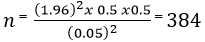
Where n=sample size of the population less than 10,000, z=standard deviations of the required confidence level (1.96) at a confidence level of 95%, p=proportion of the target population estimated as (0.5), q=1-p, therefore q=1-0.5, d=maximum tolerance error (100%-95).
Since the total number of GBV survivors attending the facilities during the study period was estimated at 90, finite population correction was applied to adjust the sample size as follows:
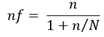
Where n=384 and N=90. This resulted in a final sample size of approximately 73 participants. The study employed a combination of purposive sampling techniques in the identification of respondents. Proportionate sampling was applied based on county integrated development plan data (sub-county) for each facility: Lodwar County Referral Hospital (199,374/457,192 x 73 = 32 participants); Kakuma Sub-County Hospital = (257,818/457,192 x 73 = 41 participants). In addition, respondents for the FGD were purposively selected based on their experience of the study topic and willingness to provide detailed insights.
Data collection: quantitative data were collected using a structured client exit interview, administered to women receiving GBV-related services, which was pre-tested among 10% of the sample (n=7) in a similar healthcare facility to ensure clarity, validity, and cultural appropriateness. Content validity was ensured through expert review by supervisors, while construct validity was achieved by aligning tools with study objectives and conceptual frameworks. Reliability was assessed through pre-testing and internal consistency checks. Qualitative data were obtained through one focus group discussion of 8-10 purposively selected women from the community unit linked to Lodwar County Referral Hospital. The discussion lasted approximately 60-90 minutes and continued until thematic saturation was achieved. The structured client exit interview tool was adapted from standardized GBV service assessment instruments and contextualized to the study setting. They were administered during face-to-face interviews with eligible study participants, who were consecutively recruited at GBV service points after receiving care, where all eligible women were approached sequentially until the sample size was achieved. Data cleaning and analysis were done using R to ensure accuracy and consistency. Trained bilingual research assistants fluent in English and Nga´turkana facilitated interviews and discussions.
Data analysis: quantitative data were analyzed using R statistical software with the analysis structured around the study's specific objectives. Descriptive statistics, including frequencies and percentages, summarized socio-demographic characteristics of the participants, barriers, and pathways to care. Chi-square tests assessed associations between sociodemographic variables and reasons for hesitating to seek help. Multivariate logistic regression was used to explore predictors of healthcare-seeking behavior, and results were interpreted cautiously due to the small sample size. Qualitative data were audio-recorded, transcribed, translated into English, and analyzed thematically. Verbatim quotations were used to support emerging themes. The findings from the qualitative data were then integrated with the quantitative results to enrich interpretation and offer a more holistic view of the barriers and pathways to healthcare access among women survivors of gender-based violence in Turkana County, Kenya.
Ethical considerations: ethical approval was obtained from Amref Ethics Scientific Research Committee (ESRC), and was allocated P1915-2025, and a research permit was obtained from the National Commission for Science, Technology and Innovation (NACOSTI) under license number 25/4177471. Additional approval was granted by the Ministry of Health, Research Unit, Turkana County. Written informed consent was obtained from all participants. Confidentiality and anonymity were maintained throughout the study, and all individuals who interacted with the research data signed a data confidentiality agreement form. The study followed trauma-informed research principles, including private recruitment, use of female interviewers, voluntary participation, and referral pathways for psychosocial support. The research team also ensured that information shared during the interviews was not disclosed to third parties.
Out of the 73 targeted respondents, 73 women who have experienced GBV participated, yielding a response rate of 100%, although this should be interpreted with caution due to facility-based sampling and possible selection bias.
Socio-demographic characteristics: most participants were aged between 18 and 39 years, with respondents aged 18-28 years and 29-39 years each accounting for 45% of the sample. Participants aged 40-50 years represented 8.2%, while those aged above 50 years accounted for 1.4%. Nearly half of respondents were married (45%), followed by single women (27%) and divorced or separated women (22%). Widowed participants constituted 6% of respondents. Regarding education level, 41% had attained primary education, 33% had no formal education, and 25% had secondary education. Only 1.4% had tertiary-level education (Table 1).
Barriers to healthcare access: among the 73 women survivors of GBV who participated in the study, several structural, cultural, and societal barriers to healthcare access were identified. Structural barriers included financial constraints, costs associated with accessing services, corruption, and weak referral systems that delayed or complicated access to care. Participants reported that transport costs, service-related expenses, and requests for informal payments hindered timely healthcare seeking. Cultural barriers were largely linked to patriarchal norms and the normalization of violence against women. Survivors reported fear of family conflict, pressure to preserve relationships, and community beliefs that discouraged disclosure of violence or seeking external support. Societal barriers included stigma, discrimination, low literacy levels, and limited awareness of available healthcare and support services. Fear of judgment from healthcare providers, family members, and the wider community emerged as a common deterrent to seeking care (Table 2).
Bivariate analysis showed a statistically significant association between age group and reasons for hesitation in seeking help (χ2 = 80.614, p < 0.001). Survivors aged 18-28 years were more likely to report fear of stigmatization compared to older age groups. Similarly, marital status was significantly associated with reasons for hesitation in seeking healthcare (χ2 = 23.969, p = 0.004), with single women reporting fear of stigmatization more frequently than married, divorced, or widowed women (Table 3).
Qualitative findings supported the quantitative results, particularly on stigma and financial barriers. Participants reported fear of community judgment and discrimination as key deterrents to seeking care. One participant noted: “people will talk to you if you report, so many women remain silent.” These narratives reinforce the quantitative finding that stigma is a major barrier to healthcare access.
Pathways to healthcare access: findings showed that healthcare-seeking pathways were non-linear. While most survivors eventually accessed formal healthcare services (81%), many initially sought support from informal sources such as family members, community leaders, or spouses. Care-seeking was often triggered by escalation of violence (49%) or failure of informal support systems (47%).
Multivariable logistic regression analysis indicated that Muslim survivors were found to have an odds ratio of 0.102 (95% CI: 0.018 to 0.577, p = 0.010), which indicated that they were 89.8% less likely to seek immediate help as compared to Christian survivors. Similarly, single women had higher odds of reporting stigma-related barriers compared to divorced or separated survivors (0.127; 95% CI: 0.025 to 0.636, p = 0.012) (Table 4).
Principal findings: this study found that healthcare access among women survivors of GBV in Turkana County is influenced by complex interactions between structural, sociocultural, and societal factors rather than the availability of services alone. While previous studies highlight cost and distance as primary barriers, this study identifies corruption and weak referral systems as key contextual challenges in Turkana County. The findings further demonstrated that younger and single women were significantly more likely to experience fear of stigmatization when seeking care. These findings were consistent with those of McCleary et al. who found out that that socio-cultural challenges, comprising lack of knowledge among women about their freedom to seek justice and live without fear of violence, the normalization of assault within the community, and the fear of being blamed or stigmatized for reporting sexual violence, were some of the delayed reasons for seeking help [16]. These findings represent associations and should not be interpreted as causal due to the cross-sectional study design.
Strengths and weaknesses of the study: a key strength of this study was the use of a mixed-methods design, which enabled triangulation of quantitative and qualitative findings. The achievement of a 100% response rate further enhanced the completeness of the data. However, the study was limited to facility-based participants. To mitigate this limitation, qualitative methods were used to capture broader contextual experiences and enhance credibility.
Comparison with other studies: the findings are consistent with previous studies conducted in Kenya and other sub-Saharan African countries, which have identified stigma, financial dependence, fear of retaliation, and restrictive gender norms as major barriers to healthcare utilization among GBV survivors. Similar findings were reported by Muuo et al. (2020) among refugee populations in Kenya, where survivors delayed seeking care due to stigma, insecurity, and fear of further violence [12]. The influence of patriarchal norms observed in this study also aligns with evidence from rural and pastoralist settings where violence is often normalized, and reporting is discouraged. Furthermore, the challenges associated with weak referral systems and fragmented service delivery are comparable to findings reported in other low-resource settings, where survivors frequently encounter multiple service points before obtaining appropriate care.
Discussion of important differences: while stigma has been widely reported as a barrier to healthcare access, this study found that younger women and single women were particularly affected. This may reflect heightened concerns about social judgment, reputation, and marriage prospects among younger survivors within the Turkana sociocultural context. Additionally, corruption and informal costs emerged as important barriers, highlighting healthcare access challenges that may be more pronounced in marginalized and resource-constrained settings than in urban populations.
Meaning of the study: the findings highlight the need for survivor-centred interventions that address both health system and socio-cultural barriers. Strengthening referral systems, reducing financial and administrative obstacles, improving community awareness, and promoting stigma-reduction initiatives could enhance healthcare access among GBV survivors. Interventions should particularly target younger women who appear more vulnerable to the effects of stigmatization. Multi-sectoral collaboration involving healthcare providers, legal systems, community leaders, and social support structures is essential for improving access to comprehensive care.
Unanswered questions and future research: further research is needed to explore the experiences of GBV survivors who do not seek formal healthcare services, as these individuals may face additional barriers not captured in this study. Longitudinal studies could also examine how barriers evolve over time and assess the effectiveness of interventions aimed at reducing stigma, strengthening referral pathways, and improving access to survivor-centred services in pastoralist and marginalized settings.
Limitations: the study had several limitations. Underreporting of GBV due to stigma and fear may have affected the accuracy of responses. Language barrier and cultural sensitivities may have influenced participant responses despite the use of trained bilingual research assistants.
Women survivors of gender-based violence in Turkana County experience multiple structural, cultural, and societal barriers that hinder timely access to healthcare and justice services. Financial constraints, corruption, weak referral systems, patriarchy, stigma, and low awareness significantly influence healthcare-seeking behavior. To improve healthcare access among GBV survivors, there is a need to establish integrated GBV services at the primary healthcare level, strengthen referral systems, provide transport support for survivors, train community health volunteers on GBV response, address corruption within service delivery systems, and implement community-based stigma reduction programs.
What is known about this topic
- Gender-based violence is a major public health problem associated with poor physical, psychological, and reproductive health outcomes among women;
- Survivors of GBV often face barriers such as stigma, fear, poverty, and weak healthcare systems when seeking support services;
- Rural and marginalized communities experience additional healthcare access challenges due to poor infrastructure and socio-cultural norms.
What this study adds
- The study highlights the significant role of corruption and associated costs as barriers to healthcare and justice access among GBV survivors in Turkana County;
- Patriarchy and normalization of violence were identified as major cultural barriers affecting healthcare-seeking behavior;
- Younger and single women were more likely to fear stigmatization when seeking help for GBV-related experiences.
The authors declare no competing interests.
Rose Betty Mukii was responsible for the coordination and execution of the study, including developing the study design, ensuring ethical compliance, obtaining necessary approvals, overseeing data collection and analysis, managing the research team, maintaining data quality and integrity, and preparing reports and publication, also ensured adherence to timelines, budgetary constraints, and regulatory standards; Margaret Keraka and William Okedi provided academic and technical guidance throughout the research process, their role involved reviewing the study design and tools, offering feedback on data analysis and interpretation, ensuring methodological rigor, and mentoring Rose Betty Mukii to uphold academic and scientific standards while addressing ethical and practical challenges. All the authors read and approved the final version of this manuscript.
We want to sincerely thank our supervisors, MK and WO, whose invaluable guidance and support made this research possible. We are also profoundly grateful to our family for constantly encouraging us to step outside our comfort zone and pursue our goals. Additionally, we would like to acknowledge all our research assistants, healthcare workers, and participants who contributed to this study. Special appreciation goes to the women survivors who courageously shared their experiences.
Table 1: sociodemographic characteristics of gender-based violence survivors in Turkana County (N=73), August-October 2025
Table 2: barriers faced by gender-based violence survivors in accessing healthcare services (N=73), August-October 2025
Table 3: reasons women hesitate to seek help by age group (N=73), August-October 2025
Table 4: logistic regression odds ratio for predictors of immediate help-seeking among gender-based violence survivors, August-October 2025
- World Health Organization. Devastatingly pervasive: 1 in 3 women globally experience violence. 2021.
- Fitts M, Soldatic K. Global healthcare systems and violence against women and girls. Health Sociol Rev. 2024 Jul;33(2):119-124. PubMed | Google Scholar
- Stöckl H, Sorenson SB. Violence Against Women as a Global Public Health Issue. Annu Rev Public Health. 2024 May;45(1):277-294. PubMed | Google Scholar
- García-Moreno C, Hegarty K, D´Oliveira AFL, Koziol-Mclain J, Colombini M, Feder G. The health-systems response to violence against women. Lancet. 2015 Apr 18;385(9977):1567-79. PubMed | Google Scholar
- Ikuteyijo OO, Zepro N, Akinyemi AI, Probst-Hensch N, Merten S. Socio-Economic Factors Influencing Intimate Partner Violence Among Adolescents and Young Women in Sub-Saharan Africa: A Scoping Review. Public Health Rev. 2025 Jan 3;45:1607041. PubMed | Google Scholar
- Essue BM, Chadambuka C, Perez-Brumer A, Arruda-Caycho I, Tocallino D, Balasa R et al. Women´s experiences of gender-based violence supports through an intersectional lens: a global scoping review. BMJ Public Health. 2025 Feb 6;3(1):e001405. PubMed | Google Scholar
- United Nations Population Fund (UNFPA). Addressing violence against women and girls in sexual and reproductive health services: A review of knowledge assets. 2010.
- Njagi DM, Njoroge MW, Musau JN. Shame, Fear, and Stigma: Understanding Psychosocial Barriers to Help Seeking Behavior among Female Survivors of IPV in Nairobi County. The University Journal. 2025 Jul 14;7(1):15-29. Google Scholar
- Kenya National Bureau of Statistics, ICF. Kenya Demographic and Health Survey 2022. 2023.
- Halakhe AB, Mukuki A, Kitenge D. The New Refugee Act in Kenya and what it means for Refugees. Refugee International, Africa-Kenya-Sudan Commentary. 2024.
- Munala L, Olson HR, Johnson C. “If You Are Raped, You Are Like Secondhand”: Systemic Barriers to Reporting Sexual Violence Against School-Aged Girls in a Rural Community in Kenya. Sexes. 2025;6(1):12. Google Scholar
- Muuo S, Muthuri SK, Mutua MK, McAlpine A, Bacchus LJ, Ogego H et al. Barriers and facilitators to care-seeking among survivors of gender-based violence in the Dadaab refugee complex. Sex Reprod Health Matters. 2020 Dec;28(1):1722404. PubMed | Google Scholar
- Robles LR. Critical Roles of Refugee Leaders and Service Providers in the Gender-based Violence (GBV) Help-Seeking of Refugee Survivors. Journal of Humanitarian Affairs. 2022;4(2). Google Scholar
- Lukasiak M, Palmieri J, Svensson P, Tumwine G, Agardh A. Exploring perceptions and experiences of gender-based violence among women in a refugee camp setting in Uganda-A qualitative study. PLoS One. 2024 Dec 17;19(12):e0314972. PubMed | Google Scholar
- Odwe G, Undie CC, Obare F. Attitudes towards help-seeking for sexual and gender-based violence in humanitarian settings: the case of Rwamwanja refugee settlement scheme in Uganda. BMC Int Health Hum Rights. 2018 Mar 12;18(1):15. PubMed | Google Scholar
- McCleary-Sills J, Namy S, Nyoni J, Rweyemamu D, Salvatory A, Steven E. Stigma, shame and women's limited agency in help-seeking for intimate partner violence. Glob Public Health. 2016;11(1-2):224-35. PubMed | Google Scholar
Search
This article authors
On Pubmed
On Google Scholar
Citation [Download]
Navigate this article
Similar articles in
Key words
Tables and figures

Article metrics
Recently from the PHCP