Assessment of the application of the SPICES model in the competency-based curriculum of the Kenya-registered community health nursing program at the Kenya Medical Training College, Nairobi
Silper Atieno Oloo, Anastasiah Nyamilu Kimeu, Dorcas Waithira Maina
Corresponding author: Silper Atieno Oloo, Department of Health Systems Management, School of Public Health, Amref International University, Nairobi, Kenya 
Received: 17 Apr 2026 - Accepted: 02 Jul 2026 - Published: 09 Jul 2026
Domain: Nursing education
Keywords: Assessment, application, student-centered, problem-based, integrated, community-based electives, and systematic (SPICES), competency-based education
Funding: This work received no specific grant from any funding agency in the public, commercial, or not-for-profit sectors.
©Silper Atieno Oloo et al. Primary Health Care Practice Journal (ISSN: 3105-7624). This is an Open Access article distributed under the terms of the Creative Commons Attribution International 4.0 License (https://creativecommons.org/licenses/by/4.0/), which permits unrestricted use, distribution, and reproduction in any medium, provided the original work is properly cited.
Cite this article: Silper Atieno Oloo et al. Assessment of the application of the SPICES model in the competency-based curriculum of the Kenya-registered community health nursing program at the Kenya Medical Training College, Nairobi. Primary Health Care Practice Journal. 2026;5:6. [doi: 10.11604/PHCP.2026.5.6.52796]
Available online at: https://www.phcp-journal.org//content/article/5/6/full
Research 

Assessment of the application of the SPICES model in the competency-based curriculum of the Kenya-registered community health nursing program at the Kenya Medical Training College, Nairobi
Assessment of the application of the SPICES model in the competency-based curriculum of the Kenya-registered community health nursing program at the Kenya Medical Training College, Nairobi
Silper Atieno Oloo1,&, Anastasiah Nyamilu Kimeu1,  Dorcas Waithira Maina2
&Corresponding author
Introduction: implementing a competency-based curriculum requires innovative strategies. Application of the student-centered, problem-based, integrated, community-based, elective, and systematic learning (SPICES) model in training competent nurses strengthens health care systems. This study assessed the application of the SPICES model in Kenya's registered community health nursing competency-based curriculum at Kenya Medical Training College (KMTC), Nairobi Campus, specifically on instructional approaches, assessment strategies, and perceptions, guided by constructivism.
Methods: an analytical cross-sectional study design was used. Sampling included census and purposive sampling for 5 administrators, 31 lecturers, stratified proportionate and systematic random sampling for 343 students, and consequently, 49 students. Data were collected using structured questionnaires using KoboCollect, key informant interviews, and focus group discussions. Quantitative data were analyzed using SPSS version 25.0 and R version 4.6.0, and qualitative data using NVivo 12. Descriptive statistics summarized the data, and Fisher´s exact test examined associations between lecturers´ demographic characteristics and application of SPICES dimensions, with statistical significance set at α = 0.05.
Results: sixty-four percent of all lecturers frequently used student-centered learning (SCL). In problem-based learning (PBL), 46.2% always used real-life scenarios and sometimes clinical case discussions (92.3%). Integrated learning used interactive lectures and group discussions (57.7%). Community-based learning (CBL) utilized clinical placements (69.2%), while systematic learning used structured clinical practice (92%). SPICES model application is independent of demographic characteristics.
Conclusion: lecturers were familiar with the SPICES model, applied SCL, PBL, CBL, and systematic learning, but inconsistencies and gaps in implementation were noted. Lectures, case studies, and clinical practice were the predominant instructional approaches used.

Competency-based education (CBE) is an approach that is advocated for nursing education because it emphasizes the acquisition and demonstration of competencies required for professional practice rather than the completion of course hours alone [1,2]. Consequently, nursing curricula should be designed and implemented to promote competence in critical thinking, clinical judgment, problem-solving, evidence-based practice, communication, and autonomy in learning [1,3]. This shift from teacher-centered to student-centered learning, and from task-based to problem-based learning, promotes active and deep learning, while enabling students to acquire knowledge, skills, attitudes, autonomy, and the ability to transfer theoretical learning into clinical practice [4-6]. A key strategy for implementing CBE is the SPICES model, which was developed to overcome the limitations of traditional teacher-centered curricula and enhance professional competence through learner-centered education [2,7]. The SPICES model has been widely adopted in curriculum reform and implementation across the world, including Pakistan, Iran, Australia, Cameroon, Ethiopia, and Kenya, where it has strengthened critical thinking, communication, clinical reasoning, collaboration, and problem-solving skills among health professionals [8-17]. At the Kenya Medical Training College (KMTC), SPICES strategies, including student-centered learning (SCL), community-based learning (CBL), and systematic learning, have been progressively implemented since 2008, with expanded use of student-centered problem-based and integrated learning following the COVID-19 pandemic.
The World Health Organization recommends competency-based education that aligns health professional training with societal needs and supports Universal Health Coverage (UHC) [18]. Since nurses constitute the largest proportion of the healthcare workforce, competency-based training is essential for improving healthcare quality and responding to emerging health challenges [19]. In Kenya, the Kenya Registered Community Health Nursing (KRCHN) programme at KMTC has implemented a competency-based curriculum that incorporates the SPICES model to prepare competent nurses for primary healthcare and contribute to the achievement of Sustainable Development Goal 3. However, declining student performance in final qualifying examinations between 2020 and 2023, together with the educational disruptions caused by the COVID-19 pandemic, highlights the need to assess the implementation of the curriculum. Furthermore, there is limited evidence on how the SPICES model has been implemented within the KRCHN curriculum and its application in supporting competency-based nursing training at KMTC Nairobi Campus. Therefore, this study sought to assess the application of the SPICES model in the implementation of the KRCHN curriculum at KMTC Nairobi Campus [20].
The study was guided by constructivist learning theory, which emphasizes active knowledge construction through experience and learner-centered instructional and assessment strategies [21-24]. This study assessed the application of the SPICES model in the KRCHN curriculum at KMTC Nairobi Campus. The conceptual framework examined how instructional approaches, assessment strategies, and faculty and students' perceptions influence the application of SPICES components and competency acquisition within the competency-based curriculum.

Study design: an analytical cross-sectional design was used at KMTC among lecturers, administrators, and Kenya Registered Community Health Nurse (KRCHN) students in the Department of Nursing. Census, purposive, and stratified proportionate systematic random sampling methods were used to recruit lecturers, administrators, and students, respectively.
Study setting and population: the study was conducted at the KMTC, Nairobi Campus in the Department of Nursing. Nairobi Campus is one of the 51 campuses offering nursing programmes in Kenya and is located opposite Kenyatta National Teaching and Referral Hospital. Kenya Medical Training College trains nursing and 19 other health professions cadres, i.e., physiotherapy, pharmacy, clinical medicine, radiography and imaging, health records and information, environmental health sciences, health professions education, medical laboratory sciences, occupational therapy, dental technology, medical engineering, health promotion and community health, nutrition and dietetics, community oral health, optometry, orthopaedic technology and orthopaedic and trauma medicine. The contribution of these professionals in health care is immense. The health professionals have a significant contribution to healthcare delivery, with nursing playing a major role in the provision of quality healthcare services. Nairobi Campus was chosen because it has the largest enrolment of students for the KRCHN programme, admitting two cohorts each year. This is considered a representative of the implementation of the KRCHN programme across the nation. Students' enrolment was distributed as follows: year 1 semesters 1 and 2 (117 students); year 2 semesters 1 and 2 (120 students); and year 3 semesters 1 and 2 (106 students).
Study participants: the study involved lecturers, administrators, and KRCHN students in the Department of Nursing at KMTC Nairobi Campus. The census method was used to recruit all 31 lecturers, purposive sampling was used to select 5 administrators, and stratified, proportionate, and systematic random sampling was used to recruit the 49 students.
Variables: the independent variables comprised of the SPICES model indicators, thus: instructional approaches, SPICES assessment strategies, and the perception of lecturers and students regarding the SPICES model for competency-based training. The dependent variable was the application of the SPICES model.
Data resource and management
Data collection tools: the researcher developed the following tools: self-administered questionnaires for lecturers, key informant interview (KII) guides for administrators, and focused group discussion (FGD) guides for students based on study objectives. The content and construct validity of tools were reviewed to ensure that the tools adequately represented the study objective. Reliability was assessed using the Cronbach´s alpha coefficient. Pretesting of the data collection tool was conducted among five lecturers in the Department of Nursing and ten KRCHN students, approximately 10% of the KRCHN students´ population, at KMTC Thika Campus on two days prior to the actual data collection date.
Data collection: data from lecturers were collected using structured questionnaires through KoboCollect. Key informant interviews (KIIs) were conducted with the five administrators using KII guides at different times and venues in the Department of Nursing. A focused group discussion (FGD) comprising nine student groups was carried out by three trained research assistants. All KII and FGD sessions were audio-recorded for transcription and subsequent qualitative data analysis.
Sample size determination: census method was used for the 31 lecturers, while the purposive sampling method was used for administrators in the Department of Nursing. A stratified, proportionate, and systematic random sampling method was used to determine a sample size for a population of 343 KRCHN students at Nairobi Campus. The sample size for students was determined using Fisher's formula:
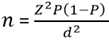
Where: N = population size, which is 343 students; Z is taken at the 95% confidence level (1.96), p is estimated at 0.5; and d is 0.05. The study population was less than 10,000, so the finite population correction formula was applied:

Where nf = adjusted sample size; n=desired sample size for populations greater than 10,000; N = population size (343). Calculation:

Applying the finite population correction:
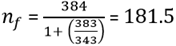
Approximately = 181. Adding 10% of 181 to cater for non- response: 181+ 18 = 199. One hundred and ninety-nine students were proportionately divided into three strata, thus: year 1, year 2, and year 3, as follows: respondent sample size x n/N; year 1= 117/343 x 199 = 68; year 2 = 120/343 x 199 = 70; year 3 = 106/343 x 199 = 61.49 = 61. Systematic random sampling was conducted by picking every fourth number from the class list to give students an equal chance of participating in the study. Thus, for first years, 17 participants, second years, 17, and third years, 15 participants. These were divided into three groups per class, where year 1 participants were divided into three FGDs made of 6, 6, and 5 participants, respectively. Year 2 participants were similarly grouped into 6, 6, and 5 participants, while year 3 participants were divided into three groups of 5 participants each; therefore, 49 students, 24 males, and 25 females.
Data management procedures and analysis: data analysis was executed using SPSS version 25.0 and R version 4.6.0. Descriptive statistics (frequencies and percentages) were used to summarize demographic characteristics and the utilization patterns of SPICES model approaches. To evaluate associations between variables, inferential statistics were applied. Due to the small sample size of the nursing faculty (N=26), non-parametric statistics were utilized. Fisher´s exact test was used to evaluate the association between categorical demographic predictors (age, education level, and work experience) and the application frequencies of the SPICES dimensions. Statistical significance was established a priori at α = 0.05. Audio-recorded data were transcribed, coded into theme-based SPICES model instructional approaches, and analyzed using NVivo 12.
Ethical considerations: ethical approval was obtained from the Amref Ethics Scientific Committee (ESRC P1853/2025) as well as from KMTC ISERC, and research was granted by NACOSTI before data collection started. Informed consent was obtained from participants, and confidentiality was maintained by observing anonymity. Participation was voluntary, and withdrawal by respondents at any time during the study was allowed without any victimization. Data collected was secured from reach apart from the researcher was password protected.
Findings on social demographic characteristics: quantitative data were collected using KoboCollect from 31 lecturers, of whom 26 responded, yielding a response rate of 83.9%. For qualitative data, 49 students from years 1, 2, and 3 were sampled for FGD, of whom 45 (91.8%) participated, resulting in a non-response rate of 8.2%. All five (100%) administrators in the Department of Nursing (the head of department, deputy head of department, administration representative, head of general nursing section, head of midwifery section, and head of community health section) participated in key informant interviews (KIIs).
The lecturers were aged between 31 and 60 years, suggesting representation of both early-career and experienced faculty members. There were 20 (76%) females and 6 (23.1%) males, indicating the high number of females in the nursing faculty. Twenty-two (84.6%) held bachelor´s degrees, while 4 (15.4%) had a master´s degree; 61.5% had less than 10 years of teaching experience, whereas 3.8% had more than 20 years of experience in the department (Table 1).
Instructional approaches for student-centered learning (SCL): study findings revealed a good understanding of student-centered learning (SCL), with 22 (85%) strongly agreeing that SCL involves learners' active involvement in learning guided by the teacher and 11 (42%) strongly disagreeing that SCL relieves lecturers of teaching responsibilities (Figure 1). While 22 (84.6%) lecturers sometimes used college confinement and classroom environment for SCL, project activities are rarely used, 10 (40%) (Table 2). Students and administrators reported that SCL promotes active participation, responsibility, engagement, and autonomy. Students specifically noted group discussions, assignments, and projects as common SCL instructional approaches.
Instructional approaches for problem-based learning (PBL): the finding on PBL show that 24 (92.3%) lecturers reported that engaging learners with real-life scenarios is appropriate for achieving competency-based training outcomes while encouraging learners in the learning process. Self-directed learning and subjecting learners to reading problem scenarios were considered very appropriate. Traditional lectures were always used by lecturers 12 (46.2%), while real-life problems and clinical cases 24 (92.3%), as well a case-based learning 20 (76.9%) were sometimes used (Table 3). Students identified group discussion and case scenario for facilitation of PBL, while administrators associated PBL with critical thinking, creativity, communication, and clinical reasoning skills.
Instructional approaches for integrated learning: the findings showed that 16 (56.2%) of lecturers understood integrated learning as interrelating subjects, while 21 (90.5%) associated it with teamwork. For facilitation, interactive lectures, and small group discussions, 15 (57.7%) were always used, while simulation and team-based learning were never used (Table 4). Students emphasized combining related subjects and collaboration across departments while administrators suggested interdisciplinary integration to support interprofessional learning and teamwork.
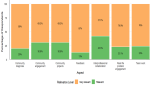
Instructional approaches for community-based learning (CBL): the study found out that 18 (69.2%) lecturers strongly agreed that CBL engages learners with real health problems, while 7 (26.9%) associated it with community service. Clinical placement and teaching were always used 18 (69.2%), service learning was sometimes used 20 (76.9%), whereas simulation-based learning was never facilitated using CBL (Table 5). Feedback was considered highly relevant 23 (87%) in CBL (Figure 2). Students identified clinical practice and community diagnosis strategies, noting professional relevance but challenges like transport, permission from authorities, language barriers and harsh weather. Administrators stressed that CBL encourages active engagement in learning through using case studies, community research projects, and community diagnosis.
Instructional approaches for elective learning: the findings on electives revealed that 13 (50%) lecturers strongly agreed that electives involve projects and personalized learning, while 10 (38.5%) associated it with the selection of subjects. Although electives approach has not been adopted in the KRCHN curriculum of KMTC, lecturers' clinical teaching and learning 12 (46.2%) would always be used if implemented, while virtual learning or distance learning would never be used to facilitate this strategy. Students associated electives with freedom to select courses based on interest or career goals, but reported limited opportunities in the KRCHN curriculum. Administrators similarly viewed electives as encouraging career goals, deeper learning and subject choice, but highlighted limited opportunities and lack of curriculum integration.
Instructional approaches for systematic learning: the findings on systematic learning indicated that 20 (76.9%) lecturers strongly agreed that clinical practice best describes the strategy, while 2 (7.7%) lecturers were undecided on whether or not it is a structured and methodical approach in teaching (Table 6). Structured clinical practice was used 24 (96%) used of to facilitate this strategy. Students viewed it as a step-by-step, from basic to advanced, learning strategy, citing noted curriculum congestion and lack of time to focus on topics in depth as challenges. Administrators acknowledged its relevance in KRCHN competency-based training, stressing that it enhances structured progression, knowledge retention, and skills application.
Influence of lecturers' demographic characteristics on the application of SPICES model: Fisher's exact test (Table 7) indicated no significant association between faculty demographic characteristics and SPICES model application. Lecturer´s level of education was not associated with high-frequency use of clinical placement in CBL (p=0.5633), age significance difference in PBL (p=1.000). For SCL and system learning, statistical variance was indicated: 100% (n=26) reported uniform frequency regardless of teaching experience. All lecturers were in moderate-to-low application for SCL, while 100% indicated application for systematic learning. These findings demonstrate that the implementation of the SPICES model in the KRCHN competency-based curriculum remains operationally consistent across the entire faculty, independent of individual baseline demographics.
A crucial finding of this study is that faculty age, academic qualifications, and teaching experience did not statistically differentiate how the SPICES model framework was applied in the classroom or clinical settings. This lack of demographic divergence indicates a high degree of institutional standardization within the Department of Nursing at the KMTC Nairobi Campus. This uniformity suggests that curriculum changes and training frameworks introduced post-COVID-19 have been systematically socialized across the department, ensuring that early-career lecturers and senior faculty both execute core CBE strategies with equal compliance.
This absolute institutional uniformity across certain core dimensions, where the dependent variables for student-centered learning and systematic learning functioned as a constant across all 26 respondents, suggests that these specific implementation pathways are governed by rigid, standardized department-wide operational controls rather than individual teaching habits. This institutional uniformity serves as a solid structural baseline to address ongoing performance tracking in qualifying examinations.
The study further indicated that most lecturers had adopted SCL, reporting that the strategy involves active participation of learners in the learning process with lecturers playing the role of facilitators and not being the source of information. This aligns with the principles of the SPICES model, which emphasizes a shift from teaching to learning, encouraging active participation, self-directed learning, and competency development. The use of engaging and motivating learning activities, small group discussions, simulation, collaborative-based learning, seminars, and case-based learning, as shown in the study, are approaches that allow active engagement as learners participate in conversations, consequently enabling students to find solutions to problems [25-27]. Furthermore, lecturers appraised that active participation practice in SCL improves generic competencies such as problem solving, critical thinking, and independence as well as students´ autonomy [26,28].
The findings also demonstrated that PBL is suitable for the implementation of competency-based nurse training since it enables learners to engage with real-world and clinical scenarios [29]. Although lectures remained the most used approach, simulations and small group discussion were also utilized to provide a safe environment for learning, allowing learners to make mistakes safely in a guided learning environment, thereby preparing students for success in future practice of skills [30-32]. Although teachers giving guidance, collaboration, inquiry, research supervision and feedback and team work practices support PBL, it was noted that there was a lack of guidance indicating inadequate follow-ups from lecturers, consequently in correct completion of work no solutions to the problems [16,29,31,32]. The inadequacy of guidance and follow-up points to an implementation gap using PBL.
The study findings indicated that integrated learning was facilitated through interactive lectures, small group discussions, team-based learning, collaborative, interprofessional clinical teaching, and work-integrated learning. These instructional approaches strengthen graduate competencies, improving practical skills and enhancing the quality of nursing training [33-35]. However, inconsistent use of case presentation and interdisciplinary approaches suggests that integrated learning is not fully adopted and potentially limits the development of collaborative and interdisciplinary practical skills among students [34].
The study revealed a diverse understanding of CBL, ranging from community service to engagement with real health problems, which was in line with experiential learning [36]. Although clinical placement was always used to facilitate CBL, service learning was implemented less frequently, indicating incomplete application of CBL to support competency-based nurse training. Furthermore, home visiting, school visits, visiting, and individualized care, community diagnosis, projects, research, health promotion plus education, feedback, and interprofessional collaboration support the development of competency in critical thinking, communication, and teamwork diagnosis [37,38].
The findings further revealed varied descriptions of electives approach. Some respondents associated elective subject selections based on learners´ interest and viewed them as projects and personalized learning experiences. The descriptions emphasize flexibility, adaptability, and students' choices within learning processes [39]. There was, however, an incompatible explanation with regard to facilitation, indicating a lack of clarity on electives approach to learning; furthermore, indications of the absence of the strategy in the KRCHN curriculum.
To effectively facilitate electives, technology-enhanced learning and role plays were identified as appropriate approaches [39,40]. Whereas projects, individual research work, and case studies may enhance clinical judgement, technical and clinical judgement are used to support electives; they remain as part of the core curriculum [41-43].
The findings indicated an unclear understanding of systematic learning, with the majority of participants not sure on whether it typifies a structured and methodical approach or a clinical practice focusing on core competencies as a guide. Systematic learning was linked to interactive clinical activities, evidence-based practice, checklists and logbooks for monitoring during training [27,44]. The strategy was facilitated through structured clinical practice, student active engagement, evaluative activities, feedback, collaborative activities, and case-based learning. These approaches equip graduates with clinical skills for accountability, responsibility, and professional competencies for nurses through reflective and decision-making skills [33,45].
Triangulation of administrators' and students' perspectives demonstrated strong corroboration regarding the relevance and effectiveness of the SPICES model in competency-based KRCHN training. Both groups emphasized the roles of the SPICES model in enhancing critical thinking, practical competence, problem solving, communication skills, and learners´ engagement. There was, however, a difference in the operational implementation of certain SPICES model strategies, particularly the elective learning approaches, student-centered learning, and problem-based learning.
Limitations: the study was undertaken at a single KMTC campus, which, despite being the largest training site for the KRCHN programme, may limit the transferability of findings to other campuses and nursing education settings. The modest faculty sample size reduced statistical power and restricted the analyses to non-parametric methods. In addition, reliance on self-reported measures may have introduced recall and social desirability bias. Although qualitative and quantitative data were triangulated to improve the trustworthiness of the findings, the absence of direct observation of teaching and assessment practices limits the ability to compare reported practices with actual implementation. Future multi-centre longitudinal studies incorporating classroom observations and objective measures of competency-based teaching are warranted to strengthen the evidence base. Nevertheless, the study provides valuable empirical evidence on the implementation of the SPICES model within Kenya's largest KRCHN training programme by integrating the perspectives of lecturers, administrators, and students. The findings offer practical insights that can inform curriculum implementation, faculty development, and future competency-based nursing education reforms in Kenya and similar resource-constrained settings.
Recommendations: there is a need to enlighten lecturers on SPICES model instructional strategies, balance face-to-face and blended learning approaches focusing on SPICES model elements, and orient students on strategies that enhance the active learning process. Kenya Medical Training College should institutionalize innovative strategies in curriculum policies and conduct further studies on the application of the SPICES model across other departments at KMTC.
The study found that lecturers were conversant with the SPICES model and applied some of the strategies, thus: SCL, PBL, CBL, and systematic learning. However, its implementation in competency-based nurse training is inconsistent, with administrators, lecturers, and students citing gaps. Lectures, case studies, and clinical placements were the most frequently used instructional approaches.
What is known about this topic
- The SPICES model is an innovative educational strategy that encourages active learning and enhances the development of competent, all-round nurses who are capable of addressing societal needs; the model is applicable in all curriculum processes, both development and review.
What this study adds
- This study provides information on various approaches used in implementing the competency-based KRCHN program based on the SPICES model;
- The study helped assess the application of the SPICES model, strategies that are applied in implementing the competency-based KRCHN program at KMTC.
The authors declare no competing interests.
Silper Atieno Oloo: conceptualization and drafting of the manuscript; Anastasiah Nyamilu Kimeu: conceptualization, critical review, and participation in drafting the introduction and discussion; Dorcas Waithira Maina: critical review of the methods section and editing. All the authors read and approved the final version of this manuscript.
We acknowledge the administrators, lecturers, and Kenya Registered Community Health Nursing students in the Department of Nursing, Kenya Medical Training College, Nairobi Campus, for their time and participation in this study.
Table 1: demographic characteristics of lecturers at the Kenya Medical Training College, Department of Nursing, Nairobi Campus (data collected from April to May 2025 (N=26))
Table 2: frequently used student-centered, problem-based, integrated, community-based, electives, and systematic model instructional approaches for student-centered learning for competency-based training among lecturers in the Department of Nursing, Kenya Medical Training College, Nairobi Campus (data collected from April to May 2025 (N= 26))
Table 3: student-centered, problem-based, integrated, community-based, electives, and systematic model instructional approaches used for problem-based learning for competency-based training by lecturers at the Department of Nursing, Kenya Medical Training College, Nairobi Campus
Table 4: student-centered, problem-based, integrated, community-based, electives, and systematic model instructional approaches in integrated learning for competency-based training among lecturers in the Department of Nursing, Kenya Medical Training College, Nairobi Campus (data collected from April to May 2025 (N= 26))
Table 5: student-centered, problem-based, integrated, community-based, electives, and systematic model instructional approaches for community-based learning for competency-based training among lecturers in the Department of Nursing, Kenya Medical Training College, Nairobi Campus
Table 6: description of systematic learning for competency-based training by lecturers in the Department of Nursing, Kenya Medical Training College, Nairobi Campus (data collected from April to May 2025 (N=26))
Table 7: Fisher´s exact test was used to evaluate the association between categorical demographic predictors
Figure 1: level of agreement with the description of student-centered learning among lecturers in the Department of Nursing, Kenya Medical Training College, Nairobi Campus (data collected from April to May 2025 (N= 26))
Figure 2: relevance of community-based learning (data collected from April to May 2025 (N=26))
- Nguyen AT, Kunaviktikul W, Stone TE, Sripusanapan A, Thungjaroenkul P, Pham DT. The implementation of a competency-based nursing curriculum in a developing country: A qualitative descriptive study. F1000Research. 2022;11:969. Google Scholar
- Holmes AG, Polman Tuin M, Turner SL. Competence and competency in higher education. Educ Process Int J. 2021;10(3). Google Scholar
- Dagne AH, Beshah MH. Implementation of evidence-based practice: The experience of nurses and midwives. PLoS One. 2021 Aug 27;16(8):e0256600. PubMed | Google Scholar
- American Association of Colleges of Nursing. The Essentials: Core Competencies for Professional Nursing Education. 2026. Accessed 17th April 2026.
- Acikgoz T, Babadogan MC. Competency-Based Education: Theory and Practice. Psycho-Educ Res Rev. 2021;10(3):67-95. Google Scholar
- Silva VN, Zambrano GA, Cruz ER. Problem-based learning vs traditional method in the development of competencies in students in the health area. A systematic review. Cienc Tecnol. 2024;4. Google Scholar
- Aparicio JCS, Sánchez LS, Dávila AJL. Medical Education in Costa Rica. From Flexner to COVID-19: Integrative Answers for Old and New Challenges. Med Sci Educ. 2023 Sep 28;33(6):1389-1397. PubMed | Google Scholar
- Misganaw E, Yigzaw T, Tezera R, Gelitew A, Gedamu S. The Promise of the New Educational Strategy for Curriculum Development (SPICES) Model on the Development of Students' Clinical Reasoning Ability. A Comparative Cross-Sectional Study. Adv Med Educ Pract. 2022 Jan 15;13:71-79. PubMed | Google Scholar
- Cukljek S, Akarsu Hobek R, Sedic B, Filipovic B, Unsal B. Comparison of Nursing Curricula in Croatia and Turkey: Analysis Using the SPICES Model. Croat Nurs J. 2025;9(1):45-56. Google Scholar
- Patrick S. Transforming Learning through Competency-Based Education. State Educ Stand. 2021;21(2):23-9. Google Scholar
- Asgari P, Navab E, Bahramnezhad F. Comparative study of nursing curriculum in nursing faculties of Canada, Turkey, and Iran according to SPICES model. J Educ Health Promot. 2019 Jun 27;8:120. PubMed | Google Scholar
- Dent JA. The continuing use of the SPICES model in 'SAVOURING' curriculum development. Med Teach. 2023 Jul;45(7):760-765. PubMed | Google Scholar
- Afifi A, Elsaid T, AlBattal S, Ebeid Y, Majeed A, Elsheikh MM et al. Use of SPICES model to improve family medicine residents engagement in clinical and academic teaching. Acta Sci Med Sci. 2022;6(1). Google Scholar
- Farsi Z. A comparative study of Iran's doctoral nursing curriculum with the American Association of Colleges of Nursing (AACN) based on the SPICES model: integrating artificial intelligence into analysis. BMC nursing. 2025 Jul 1;24(1):725. PubMed | Google Scholar
- Ige WB, Ngcobo WB, Afolabi O. Implementation of Competency-Based Education for Quality Midwifery Programs in Africa: Protocol for a Scoping Review. JMIR Res Protoc. 2023 Dec 4;12:e47603. PubMed | Google Scholar
- Maboh MN, Tarh S, Nyenti PB, Abanke DA, Leke AZ, Sone BN et al. A Contemporary Comparison Between the Higher National and the State Registered Nursing Diploma Curricula in Cameroon. Central African Journal of Public Health. 2026 May;12(3):154-65. Google Scholar
- Katwa JK, Baliddawa J, Ayiro LP, Kei R. Challenges faced in implementing SPICES model at Moi university college of health sciences, eldoret, Kenya. 2018;16(1). Google Scholar
- Giddens J, Douglas JP, Conroy S. The revised AACN essentials: Implications for nursing regulation. Journal of Nursing Regulation. 2022 Jan 1;12(4):16-22. Google Scholar
- World Health Organization Regional Office for Africa. Health workforce in the African Region, 2013-2022: Implications for the future. 2023.
- Austin HM. The effect of COVID-19 on nursing program passing scores. Teach Learn Nurs. 2023 Jul;18(3):e84-e88. PubMed | Google Scholar
- Bada SO, Olusegun S. Constructivism learning theory: A paradigm for teaching and learning. J Res Method Educ. 2015;5(6):66-70. Google Scholar
- Khattak O, Usmani A, Taria J. Evaluating a Constructivist Model for Learning Clinical Skills in Pre-Clinical Years of a Dental Curriculum. Pak J Med Health Sci. 2023;17(1):707.
- Grande RA, Berdida DJ, Villagracia HN, Ablao JN, Garcia PR. Assessment of nursing students' research competencies with competency-based education. J Competency-Based Educ. 2021;6(4):211-21. Google Scholar
- Biggs J, Tang C. Constructive alignment: An outcomes-based approach to teaching anatomy. In: Teaching Anatomy: A Practical Guide. Cham: Springer International Publishing; 2014;31-8. Google Scholar
- Hafeez M. Impact of Teacher's Training on Interest and Academic Achievements of Students by Multiple Teaching Methods. Pedagog Res. 2021;6(3). Google Scholar
- Berg E, Lepp M. The meaning and application of student-centered learning in nursing education: An integrative review of the literature. Nurse Educ Pract. 2023 May;69:103622. PubMed | Google Scholar
- Dent J, Harden RM, Hunt D. A Practical Guide for Medical Teachers, E-Book: A Practical Guide for Medical Teachers, E-Book. Elsevier. 2021. Google Scholar
- Tang KHD. Student-centered approach in teaching and learning: What does it really mean? Acta Pedagog Asiana. 2023;2(2):72-83. Google Scholar
- Allert C, Dellkvist H, Hjelm M, Andersson EK. Nursing students' experiences of applying problem-based learning to train the core competence teamwork and collaboration: An interview study. Nurs Open. 2022 Jan;9(1):569-577. PubMed | Google Scholar
- Tabbner AR. Tabbner´s Nursing Care: Theory and Practice. 2019. Google Scholar
- Dasgupta A. Problem based learning: its application in Medical Education. J West Bengal Univ Health Sci. 2020;1(2):11-8.
- Sharma S, Sharma R. Textbook of nursing education 3E-E-Book. Elsevier Health Sciences. 2023. Google Scholar
- Karlsson M, Hillström L, Johnsson A, Pennbrant S. Experiences of work-integrated learning in nursing education. Journal of Further and Higher Education. 2022 Nov 26;46(10):1377-90. Google Scholar
- Manzoor S, Saggu Y. Building a Stronger Future: Empowering Nurses to Design Modules for Integrated Curriculum in Nursing Education. Saudi J Nurs Health Care. 2023;6(8):247-8. Google Scholar
- Austin Z, Gregory PA. Enhancing integration of internationally educated health professionals in the healthcare workforce: Implications for regulators. Journal of Nursing Regulation. 2024 Apr 1;15(1):24-32. Google Scholar
- Chowdhury S, Alzarrad A. Advancing community-based education: Strategies, challenges, and future directions for scaling impact in higher education. Trends in Higher Education. 2025 May 8;4(2):21. Google Scholar
- Zeydani A, Atashzadeh-Shoorideh F, Abdi F, Hosseini M, Zohari-Anboohi S, Skerrett V. Effect of community-based education on undergraduate nursing students' skills: a systematic review. BMC Nurs. 2021 Nov 18;20(1):233. PubMed | Google Scholar
- Cheng YC, Huang LC, Yang CH, Chang HC. Experiential Learning Program to Strengthen Self-Reflection and Critical Thinking in Freshmen Nursing Students during COVID-19: A Quasi-Experimental Study. Int J Environ Res Public Health. 2020 Jul 28;17(15):5442. PubMed | Google Scholar
- Salam A, Zainol J. Students' elective in undergraduate medical education and reflective writing as method of assessment. Int J Hum Health Sci. 2022;6(4):351-4.
- Karimian Z, Barkhor A, Mehrabi M, Khojasteh L. Which virtual education methods do e-students prefer? Design and validation of Virtual Education Preferences Questionnaire (VEPQ). BMC Med Educ. 2023 Oct 3;23(1):722. PubMed | Google Scholar
- Chang CY, Chung MH, Yang JC. Facilitating nursing students' skill training in distance education via online game-based learning with the watch-summarize-question approach during the COVID-19 pandemic: A quasi-experimental study. Nurse Educ Today. 2022 Feb;109:105256. PubMed | Google Scholar
- Menzies JC, Emms K, Valler T. Developing research knowledge and capability in undergraduate nurses: evaluation of targeted placements. J Res Nurs. 2021 Aug;26(5):408-424. PubMed | Google Scholar
- Cazeau N, Kaur T. A Survey of Clinicians Evaluating an Online Prelicensure Oncology Nursing Elective. Semin Oncol Nurs. 2021 Apr;37(2):151141. PubMed | Google Scholar
- Wakibi S, Ferguson L, Berry L, Leidl D, Belton S. Teaching evidence-based nursing practice: A systematic review and convergent qualitative synthesis. J Prof Nurs. 2021 Jan-Feb;37(1):135-148. PubMed | Google Scholar
- Neville-Norton M, Cantwell S. Curriculum mapping in nursing education: A case study for collaborative curriculum design and program quality assurance. Teaching and Learning in Nursing. 2019 Apr 1;14(2):88-93. Google Scholar
Search

This article authors
On Pubmed
On Google Scholar
Citation [Download]
Navigate this article
Similar articles in
Key words
Tables and figures

Article metrics
Recently from the PHCP