Gaps in management of hypertension and related morbidities: the case of patients attending Kabondo Sub-County Hospital, Homabay County, Western Kenya
Paul Mathews Otieno, Veronicah Knight, Moses Sadia, George Ayodo
Corresponding author: George Ayodo, School of Health Sciences, Jaramogi Oginga Odinga University of Science and Technology, Bondo, Kenya 
Received: 19 Aug 2025 - Accepted: 09 Dec 2025 - Published: 23 Dec 2025
Domain: Diabetes epidemiology,Non-Communicable diseases epidemiology
Keywords: Hypertensive related morbidities, diabetes mellitus, foot ulcers, self-care, household levels
Funding: This work received no specific grant from any funding agency in the public, commercial, or not-for-profit sectors
©Paul Mathews Otieno et al. Primary Health Care Practice Journal (ISSN: 3105-7624). This is an Open Access article distributed under the terms of the Creative Commons Attribution International 4.0 License (https://creativecommons.org/licenses/by/4.0/), which permits unrestricted use, distribution, and reproduction in any medium, provided the original work is properly cited.
Cite this article: Paul Mathews Otieno et al. Gaps in management of hypertension and related morbidities: the case of patients attending Kabondo Sub-County Hospital, Homabay County, Western Kenya. Primary Health Care Practice Journal. 2025;3:7. [doi: 10.11604/PHCP.2025.3.7.49014]
Available online at: https://www.phcp-journal.org//content/article/3/7/full
Research 

Gaps in management of hypertension and related morbidities: the case of patients attending Kabondo Sub-County Hospital, Homabay County, Western Kenya
Gaps in management of hypertension and related morbidities: the case of patients attending Kabondo sub-County Hospital, Homabay County, Western Kenya
Paul Mathews Otieno1, Veronicah Knight1, Moses Sadia1,  George Ayodo1,2,&
&Corresponding author
Introduction: the prevalence of hypertension is elevated in sub-Saharan Africa as compared to the developed countries, making it a public health concern. This study investigated gaps in the management of hypertension and related morbidities (HRMs) at the household level.
Methods: this was a cross-sectional study on purposively selected 240 hypertensive patients with or without related morbidities at Kabondo sub-county hospital, western Kenya. Quantitative data were collected from the hypertensive patients using semi-structured questionnaires and analyzed using descriptive statistics. However, the qualitative data were collected by conducting two focus group discussions (FGDs) involving 10 Community Health Promoters (CHPs) per group. The key informant interview (KII) involved 6 health care workers. The qualitative data was analyzed using summative and thematic analysis.
Results: the prevalence of morbidities among the hypertensive patients was as follows: 39.6% diabetes mellitus, 12.1% foot ulcers and other conditions, 8.3%. The study shows that 67.1% of the patients did not know the foods that destabilize pressure and sugar levels. In addition, 66.9% of patients were not attending routine diabetic clinics. Five themes based on management were identified as self-care practices, storage of drugs, side effects of drugs, inadequate health education, and physical activities. The gaps varied across the households.
Conclusion: the study shows disproportionate management of HRMs at the household level. Consequently, there is a need to explore context-specific lifestyle change in the management of HRMs at the household level.

Globally, the prevalence of hypertension has shifted from developed to developing countries over the last half-century [1]. Further, approximately 75% of hypertensive patients reside in developing countries [2]. There is a growing burden of non-communicable diseases (NCDs) in sub-Saharan Africa [2]. According to the World Health Organization, approximately 46% of people aged over 25 years are living with high blood pressure [3]. Further, these figures are likely to rise in the near future due to a sedentary lifestyle, intake of processed foods, smoking, and consumption of alcohol [3]. In Kenya, the prevalence of hypertension is 19% with urban areas bearing the greatest burden [4-6]. Previous research studies associate hypertension in Kenya with cigarette smoking, alcohol consumption, overweight, and older age [7,8]. A study has shown that uncontrolled blood pressure is responsible for half a million deaths annually [9]. Effective self-management of hypertension entails both medication adherence and lifestyle modifications to eliminate associated complications [10]. Systematic reviews report that interventions based on diet, such as low salt intake and physical activities, are effective in controlling blood pressure [11]. However, these hypertension self-care practices are lifelong, and they may prove challenging in instances where patients lack awareness, tools, resources, and skills for management of HRMs. Previous research studies have shown that involving household members in self-care has shown some positive results for patients with chronic conditions. However, the benefits of household-centered care can be exploited by understanding sociocultural contexts [12]. Although the household involvement exposes members to positive NCD management methods, it also encourages preventive behaviors [13]. Beyond the household, community engagement coupled with the culturally tailored health education, local capacity building, and multi-sectoral collaboration are critical components in reducing the burden of HRMs [14]. Further, there should be proper coordination between the patient and the CHPs in case the condition of the patient worsens at home. The CHPs can reinforce hypertension household-based management skills and medication adherence in instances when self-management practices are not sufficient [15]. The management of hypertension requires a multifactorial approach involving drug adherence, lifestyle modification, and working closely with CHPs; therefore, the increasing HRMs need proper management. The CHPs act as a link between the household and hospital-based care, and previous studies have shown that their engagement at the household level has improved blood pressure control and drug adherence [16,17]. Therefore, their enhanced engagement is affordable and sustainable in the management of HRMs [18]. Their work overload is of a concern because the CHPs are already assisting hypertension patients, especially when their conditions worsen at the household, to offer awareness information during the home visits, lifestyle modification guidance, support, and referral to healthcare facilities [16]. However, there is limited information on the management of HRMs in the rural setting, and therefore, the study investigated gaps in the management of HRMs at household levels to inform policy and practice.

Study design: this study employed a cross-sectional study design to evaluate the gaps in the management of HRMs at the households. Both quantitative and qualitative approaches were used in the study. The data were collected using FGDs, KII, and semi-structured questionnaires.
Study setting: this study was conducted at Kabondo sub-county hospital, which is located in Rachuonyo East sub-county in Homa Bay County, Kenya. It is the largest health facility in the subcounty, serving approximately 28,000 people. The hospital provides primary healthcare to both inpatients and outpatients. Further, it provides services for non-communicable diseases such as diabetes, hypertension, etc.
Variables and themes: the independent variables are the household practices, and the dependent variable is the prevalence of HRMs. However, the themes are self-care practices, storage of drugs, side effects of drugs, health education, and physical activities.
Data source and measurement
Data collection tools: the structured questionnaires were designed in English and translated into Kiswahili and Dholuo. This consisted of a predefined set of questions designed for use in both informal and formal interviews with patients or clients receiving care at the facilities involved in this study. Focus group discussion and key informant interview guide, designed in English or Luo and containing open-ended questions. The data collection instruments were subjected to expert validation to ensure that they captured the purpose of the study. Further, the qualitative data collection FGD and KII guides were pretested to check the correctness of the questions or items and were adjusted accordingly. The reliability of the structured questionnaire was, however, assessed by conducting a test-retest on 24 participants (10% of the study population) at a nearby sub-county. The reliability was then quantified using Cronbach's alpha, with a coefficient exceeding 0.81, indicating high reliability.
Data collection: demographic variables such as gender, age, and parity were collected from hypertensive patients with related morbidities. The questionnaires were administered to the hypertensive patients by a trained research assistant in a language best understood by the respondent, i.e. English or Luo (local language). The focus group discussions were held in English to ensure that the study participants expressed themselves with ease. This study used 2 FGDs with 10 CHPs for each group, with the primary researcher acting as moderator. The research assistant audio-recorded and took notes, including non-verbal communication, during the discussions. The key informant interview (KII) involved 6 health care workers; these were persons in charge of the services for non-communicable diseases at the hospital.
Sample size and study population: using the hospital attendance register, the study targeted 385 hypertensive patients with the related morbidities. However, 145 hypertensive patients were excluded for different reasons, including 121 had incomplete information, 8 names were duplicates and 16 lacked consistent comorbidity data. With the exclusion, the study population consisted of the 240 hypertensive patients drawn from the target population who participated in the study. On the CHPs, there are 22 linked to the Kabondo sub-county Hospital. Using having worked for a period of one year as an inclusion criterion, only 20 were considered to be part of the study. Others involved in the qualitative study, in particular key informant Interviews, were 6 healthcare workers attending to the hypertensive patients at the hospital (Figure 1).
Data analysis: this study collected quantitative and qualitative data. Quantitative data were entered into the Social Sciences Statistical Package (SPSS version 28) and analyzed using descriptive statistics, using percentages. Further, qualitative data were analyzed using deductive and inductive coding approaches.
Ethical considerations: permission to conduct the study was obtained from the Institutional Ethics Review Committee (IERC) of Jaramogi Oginga Odinga Teaching and Referral Hospital (JOOTRH) of ethical approval number IERC/JOOTRH/689/2020 and National Commission for Science, Technology & Innovation (NACOSTI). Further, informed consent was obtained from the study participants before taking part in the study. The identity of the study participants was anonymous, and all the data was kept confidential. Participation in the study was voluntary, and the participants were informed of their rights to withdraw at any time without any consequences.
Demographic characteristics: the study recruited 240 hypertensive patients with related morbidities with an average age of 54.8±10.4 years. The majority of the study participants were aged between 45 and 54 years, and the majority, 154 (64.2%), were females (Table 1).
Morbidities among hypertensive patients: the most prevalent morbidity was diabetes mellitus, accounting for 39.6% (n=95), while 12.1% (n=29) had foot ulcers. Other morbidities, which included obesity, stroke, paralysis, impaired vision, and impaired hearing, were 8.3% (n=20) (Table 2).
Household-based care practices: Table 3 shows that 32.9% (n=79) of the patients were aware of the foods that worsen their hypertension condition, while 202 patients (84.2%) were capable of detecting a rise or fall in their blood pressure. Most (n=223, 92.9%) patients would take drugs while some went to the hospital (n=59, 24.6%) or dispensary (n=7, 2.9%) upon a change in their blood pressure. On the difficulties experienced at the household in managing hypertension, 182 patients (75.8%) have challenges controlling blood pressure, 1.7% (n=4) faced challenges on proper storage of drugs, 10.4% (n=25) patients experienced medication non-adherence, 5.8% (n=14) experienced financial difficulties, while 6.3% (n=15) patients experienced adverse drug reactions. In order to mitigate the challenges at the household in the management of hypertension, the patients provided various suggestions including provision of health education on household-based hypertension management and related morbidities (n=204, 85.0%), medication prompts (n=10, 4.2%), provision of low cost hypertensive medication (n=17, 7.1%), provision of cold storage facilities such as fridge (n=2, 0.8%), to be provided with economical self-blood pressure monitors (n=5, 2.1%), and 0.8% (n=2) requested for financial aid. We have observed that only 33.3% (n=80) of the patients mentioned that they attended the clinic, implying that the majority of the patients preferred household management of hypertension or just lacked the necessary information.
Management of hypertension and related morbidities at the household level
Self-care practices:
Sugar and salt intake: accepting the diet and lifestyle of a diabetic and hypertensive patient in the household emerged as a notable practice, as pointed out by a health care provider. “Some households have begun to reduce risks by preparing meals that are low in sugar and salt” KII 1 (Health care provider).
Dressing wounds and treatment: having hypertensive patients with foot ulcers, some CHPs are able to assist in dressing wounds, reflecting a supportive environment for managing foot ulcers. This was pointed out by the health care provider. “Some CHPs are able to dress wounds and provide some antibiotics,” KII 2 (health care provider).
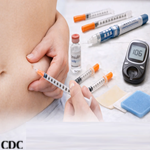
Medication and monitoring hypertension: despite some challenges reported by some patients with insulin injections, most were able to administer insulin themselves, ensuring they injected the correct amount at the appropriate time. “...Many of my clients, particularly those managing both hypertension and diabetes, expressed confidence in their ability to self-administer injections at home. They are diligent in monitoring their diet as a key strategy for self-managing their conditions at home...” KII 4 (health care provider). The patients are capable of interpreting their results and taking appropriate actions based on their blood sugar levels, ensuring they remain within normal ranges. “...Furthermore, ongoing training has been provided to hypertensive patients on self-monitoring their blood pressure. Many patients have reported independently checking their blood pressure at home whenever they feel the need to assess their health status...” KII 5 (health care provider). “...Furthermore, ongoing training has been provided to hypertensive patients on self-monitoring their blood pressure. Many patients have reported independently checking their blood pressure at home whenever they feel the need to assess their health status...” KII 5 (health care provider).
Storage of drugs: storage of antihypertensive and antidiabetic drugs, especially the cold chain such as insulin, was properly managed; however, this was not possible for all patients. “...In a discussion with one of my clients, he told me how he managed to buy his personal freezer for the sake of proper storage of the drugs (insulin injection), however, not yet in a position of getting a power backup in case of power blackout...” KII5 (health care provider).
Side effects of the drugs: the unwanted effects that are always realized by patients after taking the medication. “...Most clients' condition always becomes even worse after taking the prescribed medicine...” FDG -CHP 5 -referral.
Inadequate health education: inadequate health education on the management of hypertension, diabetes, and foot ulcer disease; Community health promoters were not able to provide the required knowledge on how to address the comorbid condition at the household level. This was a result of a knowledge gap. ....I have never been trained on how to handle non-communicable disease, although I am more proficient in managing malaria among other communicable diseases...” FDG -CHP 8.
Physical activities: according to the data collected in this study, only 21.3% of the patients engaged in physical activities. Engaging in physical activities and exercises is crucial for managing chronic comorbid conditions effectively. According to informants, “...many patients with these conditions are not actively participating in regular physical activities, which are essential for enhancing blood circulation throughout the body. The ability of patients to engage in physical activities is influenced by their health status and environmental conditions within their community...“ -KII 2. (health care provider). The informants emphasized that physical activity plays a significant role in improving overall health outcomes for patients with chronic comorbidities. However, challenges such as health conditions and environmental factors can hinder patients from participating in these activities regularly. “...Some health conditions may not allow one to engage in any physical activities as directed by my Doctor...“KII 3 (Health care provider).
The study shows the occurrence of morbidities such as diabetes mellitus, foot ulcers, etc., among the hypertensive patients, and further shows that the majority of the patients do not know food types that destabilize pressure and sugar levels. In addition, most of the patients do not attend routine diabetic clinics. The notable gaps in the management practices included self-care practices, storage of drugs, side effects of drugs, inadequate health education, and physical activities. This study, therefore, points out that we can no longer manage hypertension alone; we must consider other related morbidities for patients to have a long lifespan. Indeed, there are several efforts to develop guidelines and approaches for the management of hypertension in patients with diabetes [19-21]. However, our study shows the need to understand the area or regional contexts before developing a guideline. Apart from diabetes, we observed the occurrence of foot ulcers, and therefore, there is a need to consider the management of foot ulcers too. We also noticed that most of the study participants were able to detect a fall or rise in blood pressure at home. However, this is based on how they feel about their body conditions that may result in overdosing or underdosing the hypertensive drugs [22]. To address this concern, there is a need for the patients to self-check their blood glucose levels using the monitoring devices at home and this essentially enables interpretation of the results and adopting appropriate management actions [23]. Blood glucose monitoring is the best practice that helps to identify patterns in the fluctuation of blood sugar levels due to response to diet, medications, or exercise [24]. Research studies show that an increase or decrease in blood glucose levels can result in life-threatening health outcomes [25]. Hypertensive patients are tasked with the responsibility of performing some tasks at home to facilitate proper self-care and management practices [26]. Effective self-management of hypertension entails both medication adherence and lifestyle modifications. This study observes household practices in the management of hypertension, including lifestyle changes such as physical activity and preparation of meals with low salt content.
Pharmacological intervention for hypertension entails the long-term intake of medication to manage blood pressure [27]. Most hypertension patients are required to take their oral antihypertensive medications daily at home, and in this study, more than half of the respondents were on antihypertensive drugs. The situation calls for the patients to understand the use of multiple drugs given diverse health conditions, and if not checked, then the situation can exert a lot of pressure on the weak health system [28]. Self-management of hypertension entails the patients being involved in various activities requiring awareness, behavior change, and skills to manage the prescribed medications. Medication self-management entails the patients having knowledge of their medication, when to take it, monitoring their medication intake, and the resulting side effects [29]. However, research studies report that most hypertensive patients struggle to adhere to their prescribed medications, resulting in uncontrolled blood pressure and increased risks [30]. On the other hand, the CHPs can improve medication adherence among hypertensive patients by assisting the patient in managing the barriers to adherence, such as cost and side effects [31]. In addition, some of the study participants were knowledgeable on the foods that aggravate high blood pressure but most of the study participants may not be aware that sweet potatoe tubers lower blood pressure and blood glucose [32]. Other studies have shown that sweet potatoes are rich in potassium and magnesium, which are potent in lowering blood pressure and maintaining kidney function [33]. Further, consumption of fruits and vegetables is reported to assist in managing hypertension. This is because they are rich in potassium and calcium, which reduces the risk of hypertension [34]. Empirical data show that dietary approaches are effective in reducing blood pressure [35]. Previous research studies report that these best practices lower blood pressure and reduce the risk of heart disease and stroke. This includes timely intake of prescribed regimens, monitoring blood pressure at home, intake of healthy foods, low salt intake, and engaging in physical activities. Despite most of the study participants practicing household-based management of hypertension, some of them experienced challenges. Some of these challenges include a lack of awareness of blood pressure management, improper storage of drugs, and adverse drug reactions.
The strength of this study is its inclusion of diverse perspectives from patients, healthcare providers, and community health workers, providing a comprehensive understanding of the gaps in the management of hypertension and related morbidities. On comparing and contrasting the quantitative and qualitative data sets, the results show that all patients were hypertensive, but most of them focused on the blood pressure and paid limited attention to other morbidities, such as diabetes, foot ulcers, etc. that affect their well-being. The observation is demonstrated by the fact that the majority of patients did not know that the food types could destabilize both blood pressure and sugar levels. We also observed that health care workers appreciated that some households had begun to reduce the risk of severe conditions by preparing meals that are low in sugar and salt. Also, the self-care practices were not just the responsibility of the patients, but the support was provided by the members of the households as well as the CHPs. We also observed that the majority of the patients do not attend clinics, and some of the patients have been trained and are capable of monitoring their blood and sugar levels. These findings signify the need for health education through the CHPs for the management of NCDs, but we nonetheless report inadequate health education and physical activities in this study. However, the limitations for this study include recall bias due to self-report, selection bias due to exclusion of >30% of study participants, and using existing measurements of BP or glucose levels in the medical records. Also, the study focused on one health facility to recruit the study participants, which hindered the generalizability of the findings for the whole sub-county.
The study shows disproportionate management at the household levels. Consequently, there is a need to explore context-specific lifestyle change in the management of HRMs at the household level.
What is known about this topic
- High prevalence of hypertension and related morbidities in sub-Saharan Africa;
- There is a guideline for the management of the hypertension and diabetes but there is none for hypertension and related morbidities;
- Gaps in the management practices that include self-care practices, storage of drugs, side effects of drugs, health education and physical activities.
What this study adds
- This study focused on the hypertensive patients and provides burden of hypertension and related morbidities such as diabetes, foot ulcers etc. in western Kenya;
- The study has identified gaps in the management practices of hypertension and related morbidities such as self-care practices, storage of drugs, side effects of drugs, inadequate health education and physical activities;
- The study demonstrates that there is a need to develop a context-specific lifestyle change in the management of hypertension and related morbidities at the household level.
The authors declare no competing interests.
Paul Mathews Otieno and George Ayodo contributed to the conception and design, acquisition of data, analysis and interpretation of data, critical revision of the manuscript, and final approval of the version to be published. Paul Mathews Otieno, Veronicah Knight, Moses Sadia, George Ayodo contributed to the interpretation of the data, drafting of the manuscript, critical revision of the manuscript. All authors have read and agreed to the final manuscript.
The authors would like to acknowledge the study participants, CHPs and health care workers from Kabondo sub-county Hospital, Rachuonyo East sub-county in Homa-Bay County, Kenya.
Table 1: socio-demographic characteristics of study participants recruited from Kabondo sub-county Hospital, 2021, N=240
Table 2: prevalence of morbidities among hypertensive patients at Kabondo sub-county Hospital (2021)
Table 3: household-based care practices by the hypertensive patients at Kabondo sub-county Hospital (2021)
Figure 1: archival and screening process of study participants recruited from Kabondo sub-county Hospital, 2021, N=240
- Mills KT, Stefanescu A, He J. The global epidemiology of hypertension. Nat Rev Nephrol. 2020 Apr;16(4):223-237. PubMed | Google Scholar
- Mohsen Ibrahim M. Hypertension in developing countries: a major challenge for the future. Curr Hypertens Rep. 2018 May 1;20(5):38. PubMed | Google Scholar
- Zhou B, Perel P, Mensah GA, Ezzati M. Global epidemiology, health burden and effective interventions for elevated blood pressure and hypertension. Nat Rev Cardiol. 2021 Nov;18(11):785-802. PubMed | Google Scholar
- Mbau L, Harrison R, Kizito W, Timire C, Namusonge T, Muhula S et al. Case identification, retention and blood pressure control in Kenya. Public Health Action. 2022 Jun 21;12(2):58-63. PubMed | Google Scholar
- Joshi MD, Ayah R, Njau EK, Wanjiru R, Kayima JK, Njeru EK et al. Prevalence of hypertension and associated cardiovascular risk factors in an urban slum in Nairobi, Kenya: a population-based survey. BMC Public Health. 2014 Nov 18:14:1177. PubMed | Google Scholar
- Ondieki AO, Kimani HM, Kahiga TM. Prevalence and socio-demographic factors associated with hypertension among rural and urban population of Kisii County, Kenya. Int J Community Med Public Health. 2021 Aug 27;8(9):4245-54. Google Scholar
- Robinson M, Shipton D, Walsh D, Whyte B, McCartney G. Regional alcohol consumption and alcohol-related mortality in Great Britain: novel insights using retail sales data. BMC Public Health. 2015 Jan 7:15:1. PubMed | Google Scholar
- Nduka CU, Stranges S, Sarki AM, Kimani PK, Uthman OA. Evidence of increased blood pressure and hypertension risk among people living with HIV on antiretroviral therapy: a systematic review with meta-analysis. J Hum Hypertens. 2016 Jun;30(6):355-62. PubMed | Google Scholar
- Forouzanfar MH, Liu P, Roth GA, Ng M, Biryukov S, Marczak L et al. Global burden of hypertension and systolic blood pressure of at least 110 to 115 mm Hg, 1990-2015. JAMA. 2017 Jan 10;317(2):165-182 PubMed | Google Scholar
- Lin PH, Appel LJ, Funk K, Craddick S, Chen C, Elmer P et al. The PREMIER intervention helps participants follow the Dietary Approaches to Stop Hypertension dietary pattern and the current Dietary Reference Intakes recommendations. J Am Diet Assoc. 2007 Sep;107(9):1541-51. PubMed | Google Scholar
- Siervo M, Lara J, Chowdhury S, Ashor A, Oggioni C, Mathers JC. Effects of the Dietary Approach to Stop Hypertension (DASH) diet on cardiovascular risk factors: a systematic review and meta-analysis. Br J Nutr. 2015 Jan 14;113(1):1-15. PubMed | Google Scholar
- Deek H, Hamilton S, Brown N, Inglis SC, Digiacomo M, Newton PJ et al. Family-centred approaches to healthcare interventions in chronic diseases in adults: a quantitative systematic review. J Adv Nurs. 2016 May;72(5):968-79. PubMed | Google Scholar
- BeLue R. The role of family in non-communicable disease prevention in Sub-Saharan Africa. Glob Health Promot. 2017 Sep;24(3):71-74. PubMed | Google Scholar
- Budiasa M. Community-Based Health Intervention Model for the Prevention of Non-Communicable Diseases in Coastal Areas. Aksilita Journal. 2025 May 15;1(1):22-8. Google Scholar
- Allen CG, Brownstein JN, Satsangi A, Escoffery C. Community health workers as allies in hypertension self-management and medication adherence in the United States, 2014. Prev Chronic Dis. 2016 Dec 29:13:E179. PubMed | Google Scholar
- Vedanthan R, Kamano JH, DeLong AK, Naanyu V, Binanay CA, Bloomfield GS et al. Community health workers improve linkage to hypertension care in Western Kenya. J Am Coll Cardiol. 2019 Oct 15;74(15):1897-1906. PubMed | Google Scholar
- Gilmore B, McAuliffe E. Effectiveness of community health workers delivering preventive interventions for maternal and child health in low-and middle-income countries: a systematic review. BMC Public Health. 2013 Sep 13:13:847. PubMed | Google Scholar
- Jeet G, Thakur JS, Prinja S, Singh M. Community health workers for non-communicable diseases prevention and control in developing countries: evidence and implications. PLoS One. 2017 Jul 13;12(7):e0180640. PubMed | Google Scholar
- Kumar V, Agarwal S, Saboo B, Makkar B. RSSDI Guidelines for the management of hypertension in patients with diabetes mellitus. Int J Diabetes Dev Ctries. 2022 Oct;42(4):576-605. PubMed | Google Scholar
- Shaikh A. A practical approach to hypertension management in diabetes. Diabetes Ther. 2017 Oct;8(5):981-989. PubMed | Google Scholar
- Passarella P, Kiseleva TA, Valeeva FV, Gosmanov AR. Hypertension management in diabetes: 2018 update. Diabetes Spectr. 2018 Aug;31(3):218-224. PubMed | Google Scholar
- Bara V. Antihypertensive drug overdose. Emerg Nurse. 1999 Jul-Aug;7(4):13-8. PubMed | Google Scholar
- Tattersall R. Home blood glucose monitoring. Diabetologia. 1979 Feb;16(2):71-4. PubMed | Google Scholar
- Parkin CG, Davidson JA. Value of self-monitoring blood glucose pattern analysis in improving diabetes outcomes. J Diabetes Sci Technol. 2009 May 1;3(3):500-8. PubMed | Google Scholar
- Mathew R, Devanesan BP, Sreedevi NS. Prevalence of hypertensive disorders of pregnancy, associated factors and pregnancy complications in a primigravida population. Gynecol. Obstet. Clin. Med 2023 Jun 1;3(2):119-23. Google Scholar
- Salim H, Lee PY, Sazlina SG, Ching SM, Mawardi M, Shamsuddin NH et al. The self-care profiles and its determinants among adults with hypertension in primary health care clinics in Selangor, Malaysia. PLoS One. 2019 Nov 6;14(11):e0224649. PubMed | Google Scholar
- Bittar N. Maintaining long-term control of blood pressure: the role of improved compliance. Clin Cardiol. 1995 Jun;18(6 Suppl 3):III 12-6. PubMed | Google Scholar
- Basu P, Mahajan M, Patira N, Prasad S, Mogri S, Muwonge R et al. A pilot study to evaluate home-based screening for the common non-communicable diseases by a dedicated cadre of community health workers in a rural setting in India. BMC Public Health. 2019 Jan 3;19(1):14. PubMed | Google Scholar
- Bailey SC, Oramasionwu CU, Wolf MS. Rethinking adherence: a health literacy-informed model of medication self-management. J Health Commun. 2013;18 Suppl 1(Suppl 1):20-30. PubMed | Google Scholar
- Hamrahian SM, Maarouf OH, Fülöp T. A critical review of medication adherence in hypertension: barriers and facilitators clinicians should consider. Patient Prefer Adherence. 2022 Oct 7:16:2749-2757. PubMed | Google Scholar
- Zhou X, Zhang X, Gu N, Cai W, Feng J. Barriers and facilitators of Medication Adherence in Hypertension patients: a Meta-integration of qualitative research. J Patient Exp. 2024 Mar 27:11:23743735241241176. PubMed | Google Scholar
- Dutta S. Sweet potatoes for diabetes mellitus: a systematic review. Pharmacophore. 2015;6(1-2015):60-72. Google Scholar
- Qin Y, Naumovski N, Ranadheera CS, D'Cunha NM. Nutrition-related health outcomes of sweet potato (Ipomoea batatas) consumption: A systematic review. Food Bioscience. 2022 Dec 1;50:102208. Google Scholar
- Madsen H, Sen A, Aune D. Fruit and vegetable consumption and the risk of hypertension: a systematic review and meta-analysis of prospective studies. Eur J Nutr. 2023 Aug;62(5):1941-1955 PubMed | Google Scholar
- Moreira-Rosário A, Ismael S, Barreiros-Mota I, Morais J, Rodrigues C, Castela I et al. Empowerment-based nutrition interventions on blood pressure: a randomized comparative effectiveness trial. Front Public Health. 2023 Nov 13:11:1277355. PubMed | Google Scholar
Search
This article authors
On Pubmed
On Google Scholar
Citation [Download]
Navigate this article
Similar articles in
Key words
Tables and figures


Article metrics
Recently from the PHCP