Assessing uptake and completion of tuberculosis prevention therapy among healthcare workers: a cross-sectional health facility based survey in Nyandarua County, Kenya
Sylvia Vosevwa Mugamangi, Joseph Sitienei, Tom Marwa
Corresponding author: Sylvia Vosevwa Mugamangi, Department of Community Health, School of Public Health, Amref International University, Nairobi, Kenya 
Received: 01 Oct 2024 - Accepted: 20 Oct 2026 - Published: 28 Oct 2026
Domain: Infectious diseases epidemiology
Keywords: Health workers, latent tuberculosis infection, tuberculosis preventive therapy, Nyandarua County
Funding: This work received no specific grant from any funding agency in the public, commercial, or not-for-profit sectors.
©Sylvia Vosevwa Mugamangi et al. Primary Health Care Practice Journal (ISSN: 3105-7624). This is an Open Access article distributed under the terms of the Creative Commons Attribution International 4.0 License (https://creativecommons.org/licenses/by/4.0/), which permits unrestricted use, distribution, and reproduction in any medium, provided the original work is properly cited.
Cite this article: Sylvia Vosevwa Mugamangi et al. Assessing uptake and completion of tuberculosis prevention therapy among healthcare workers: a cross-sectional health facility based survey in Nyandarua County, Kenya. Primary Health Care Practice Journal. 2026;6:6. [doi: 10.11604/PHCP.2026.6.6.45506]
Available online at: https://www.phcp-journal.org//content/article/6/6/full
 PDF in process
Research 

Assessing uptake and completion of tuberculosis prevention therapy among healthcare workers: a cross-sectional health facility based survey in Nyandarua County, Kenya
Assessing uptake and completion of tuberculosis prevention therapy among healthcare workers: a cross-sectional health facility based survey in Nyandarua County, Kenya
Sylvia Vosevwa Mugamangi1,&, Joseph Sitienei1, Tom Marwa1
&Corresponding author
Introduction: healthcare workers (HCWs) in sub-Saharan Africa face a heightened risk of tuberculosis (TB) due to occupational exposure and immune vulnerabilities. Despite the availability of tuberculosis preventive therapy (TPT), limited data exist on its uptake and completion among HCWs in Kenya. Aim: the study aimed to assess uptake and completion of Tuberculosis Preventive Therapy (TPT) among healthcare workers in Nyandarua County, Kenya.
Methods: a quantitative cross-sectional study design was employed. A total of 219 HCWs from purposively selected health facilities in Nyandarua County were randomly sampled. Binary logistic regression identified associations between explanatory variables and outcomes. Multivariable logistic regression determined predictors of TPT uptake and completion.
Results: among the HCWs, 26% initiated TPT, and 80% of those who initiated completed the regimen. Uptake was associated with working in lower-level health facilities (OR 28.4, 95% CI 2.76-2.91), perceived risk of TB (OR 7.2, 95% CI 1.14-4.51), and working in outpatient departments (OR 2.1, 95% CI 1.11-4.01). Not having prior exposure to a co-worker with TB reduced the likelihood of TPT initiation (OR 0.27, 95% CI 0.14-0.53). TPT Completion was associated with TPT awareness and training (OR 16.5, 95% CI 1.52-1.79) and wearing masks (OR 0.8, 95% CI 0.98-1.33).
Conclusion: perceived TB risk, TPT training and awareness, wearing PPE, having a co-worker with TB, and working in an outpatient department are associated with uptake and completion of tuberculosis therapy. The study recommends targeted training, sensitization, and support to sustain TPT and tuberculosis infection-prevention efforts.

Tuberculosis (TB) is the ninth leading cause of death worldwide and surpasses HIV as the leading cause of death from a single infectious agent [1]. In 2024, 10.7 million people globally fell ill with TB, and 1.23 million died, with 71% of these deaths occurring in Africa and South East Asia, despite TB being preventable and treatable [2]. TB is also a significant co-infection in HIV/AIDS, remaining one of the leading causes of death among people living with HIV/AIDS (PLHIV). Individuals infected with HIV are 18 times more likely to develop active TB and three times more likely to die, even when on TB treatment. Sub-Saharan Africa bears the highest TB/HIV burden, with an estimated 40.8 million people living with HIV globally by the end of 2024, of whom 21.1 million lived in Eastern and Southern Africa [3]. According to the 2025 global TB report, 25% of TB cases globally in 2024 occurred in Africa [2]. Overall, 5.8% of people infected with TB were PLHIV, with the highest proportion of TB/HIV coinfection occurring in Africa, where, in some regions, such as Southern Africa, more than half of people who newly developed TB were also living with HIV. Kenya, like many sub-Saharan African countries, faces a significant burden of TB. The WHO lists Kenya among the 30 high-burden TB countries, with a prevalence of 426 cases per 100,000 people, according to the National TB Prevalence Survey Report (2016) [4]. In 2021, Kenya was also classified among the 30 high multi-drug-resistant (MDR) and rifampicin-resistant (RR) TB burden countries. WHO estimates that 1.3% of new TB cases and 4.4% of previously treated cases in Kenya have MDR/RR TB.
Latent tuberculosis infection (LTBI) is defined by the WHO as a state of persistent immune response to Mycobacterium tuberculosis antigens without clinical evidence of active TB [5]. Globally, approximately 23.67% of the population, or 1.7 billion people, are estimated to have LTBI, though only 10% progress to active TB, leaving the majority in a latent phase [6]. People with LTBI pose a significant public health threat as reservoirs of Mycobacterium tuberculosis, capable of transmitting the bacteria if they develop active TB. The risk of progression is estimated at 5-10% within five years, increasing several fold in individuals with immunosuppressive conditions such as HIV/AIDS, diabetes, or cancer [3,7]. While the global LTBI prevalence rate decreased from 30.66% in 1990 to 23.67% in 2019, LTBI cases rose from 1.6 billion to 1.8 billion during the same period, with Africa accounting for much of this growth [8]. Kenya, in particular, experienced an increase in LTBI cases from 5.8 million in 1990 to 12.7 million in 2019 [6].
Among those at the highest risk of LTBI are healthcare workers, who face unique occupational hazards. Healthcare workers (HCWs) who deliver care and services to TB patients are at high risk of being infected by TB [9]. They are at risk of nosocomial transmission as they handle active TB specimens in the laboratory, during the collection of sputum, and as they care for both diagnosed and undiagnosed tuberculosis patients. Moreover, health care workers may also be suffering from immunosuppressive conditions. Due to resource limitations, low- and middle-income countries (LMICs) face constraints in implementing WHO-recommended infection control measures to protect HCWs and those around them. This, in turn, leads to heavy pathogen exposure in most HCWs at work. Studies have shown that the median prevalence of LTBI among healthcare workers in developed countries is 24% compared to LMICs at 54%, with a correlation between LTBI prevalence and regional active TB prevalence [9]. A systematic review showed that LTBI prevalence among health workers was 62% in Ethiopia and 60% in Kenya, significantly higher than the 48.2% among school workers in Kenya [10].
To address the heightened risk of LTBI among HCWs and other vulnerable groups, tuberculosis preventive therapy (TPT) has emerged as a cornerstone of TB control efforts. TPT is vital for managing latent TB infection and achieving global TB control targets. It has an efficacy of 60-90% in reducing LTBI and is essential for the WHO's vision of 'a world free of TB,' the UN Sustainable Development Goals (SDGs), and Kenya's National Tuberculosis, Leprosy and Lung Disease Program (NTLD-P), which envisions zero TB-related deaths, disease, and suffering by 2035 [10,11]. In 2020, Kenya introduced TPT to prevent latent TB from progressing to active TB, targeting high-risk populations, including HCWs [10]. WHO-recommended LTBI treatment regimens in Kenya include six months of daily isoniazid (6H) for HIV-positive children and pregnant women, three months of weekly rifapentine plus isoniazid (3HP) for individuals above 15 years, and three months of daily isoniazid plus rifampicin (3RH) for HIV-negative children. HCWs are recommended to take three months of rifapentine and isoniazid. Optimizing LTBI treatment is crucial for achieving WHO's "end TB" targets, including reducing TB deaths by 95% and lowering TB incidence by 90% between 2015 and 2035 [10].
While global evidence highlights the importance of TPT, little is known about its uptake and completion among HCWs in resource-poor settings like Kenya. Evidence shows that TB preventive therapy has an efficacy in reducing latent TB yet despite this evidence, studies have shown inadequate uptake and compliance among healthcare workers. This undermines efforts of TB eradication. A study done in the USA showed that only 73% of HCWs were compliant with the treatment of LTBI [12]. Another study conducted in Korea found that the overall initiation rate of LTBI treatment was suboptimal in HCWs with latent TB infection [13]. Many studies on TPT uptake and completion were conducted in resource-rich settings, highlighting the need for research on these outcomes among healthcare workers in resource-limited settings. Kenya remains one of the high TB burden countries globally, and sub-national variations persist, with counties such as Nyandarua experiencing gaps in diagnosis and treatment coverage, including delays in sample referral and limited diagnostic capacity in peripheral facilities [14].
Within the county, TB screening is routine for healthcare workers and high-risk groups. Screening for LTBI is guided by the NTLD-P protocols and is primarily targeted at high-risk populations, including healthcare workers and people living with HIV. TPT is provided in line with national guidelines and is generally offered free of charge within public health facilities as part of Kenya's TB control program. Nyandarua County, being among Kenya's high-burden TB/HIV counties, experiences ongoing challenges in case detection and service delivery, affecting implementation of these preventive measures [14]. It is for this reason that this study aimed to assess factors influencing the uptake and completion of TPT among HCWs in Nyandarua County as an example of a high TB burden resource-poor county in Kenya. Specifically, the study examined personal factors, evaluated health system influences, and identified LTBI-related risk factors associated with uptake and completion of TPT HCWs in Nyandarua County.

Study design and setting: a quantitative cross-sectional study design. The study was conducted in Nyandarua County, Kenya. Nyandarua County is located in central Kenya within the former Central Province and lies along the Aberdare ranges. It has a total population of 638,289 as per the last census in 2019 and covers about 3,286 km2, with predominantly rural settlements and dispersed communities, which may affect access to health services [15]. The county has a moderately developed health system comprising 193 health facilities, including public, private, and faith-based institutions, with a county referral hospital and several sub-county hospitals providing TB and HIV services. Nyandarua was selected for this study partly because it is among Kenya's high-burden TB/HIV counties and experiences challenges in case detection and service delivery. Five health facilities were selected for the study: JM Kariuki County Referral Hospital (Level 5), Engineer Hospital (Level 4), North Kinangop Catholic Hospital (Level 5, non-governmental), Manunga Health Centre (Level 3), and Ndaragwa Health Centre (Level 3). These facilities were selected based on their high volumes of healthcare workers and service delivery levels.
Study population and sampling strategy: the study population comprised healthcare workers (HCWs) involved in direct or indirect patient management, including laboratory and pharmacy staff, who had been employed at the facilities for at least six months. A sample of 219 HCWs was selected from a total of 502 using Cochran's formula [13]:
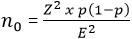
Where: n0 = initial sample size for large populations; Z = standard normal deviation, set at 1.96, for 95% confidence interval; p = proportion of the target population estimated to have the characteristic of interest-50% (0.5); E = the degree of accuracy desired-0.05 at 95% confidence interval.
As the target population was small at 502, the sample size was adjusted using the finite population correction formula:
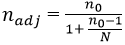
Where: nadj = adjusted sample size; n0 = initial sample size calculated from Cochran's formula; N = total population size.
Health facilities were purposively chosen based on their high HCW volumes and service levels: JM Kariuki County Referral Hospital (90 HCWs), Engineer Hospital (32 HCWs), North Kinangop Catholic Hospital (73 HCWs), Manunga Health Centre (11 HCWs), and Ndaragwa Health Centre (13 HCWs). Eligible HCWs were identified from lists provided by hospital management, and proportionate random sampling ensured adequate representation across departments.
Variables: the study assessed two dependent variables: uptake and completion of TPT. Uptake was defined as the initiation of TPT, while completion referred to finishing the full prescribed course of treatment. Independent variables were grouped into three categories. Personal factors included age, years of practice, gender, perceived risk of TB, awareness of HIV status, perceived importance of TPT, and experiencing side effects during TPT treatment. Health system factors comprised cadre, TB screening, TB training and awareness, follow-up, and facility type. Risk factors for LTBI included having a co-worker previously diagnosed with TB, departmental affiliation, mask-wearing, taking care of TB patients, and smoking or alcohol use.
Data collection: quantitative data was collected in August 2023 using a semi-structured questionnaire. The principal investigator designed the interview questions by adapting from previous literature and studies related to uptake of tuberculosis preventive therapy (TPT) [14,15]. Validity was ensured through face and content validity, while reliability was established using Cronbach's alpha after conducting a pretest study at Ol Jorok Health Centre and Gatimu Health Centre, Level 3 hospitals in Nyandarua County. The questionnaire was administered in person to 219 healthcare workers (HCWs) to ensure consistency and completeness of responses. The structured questionnaire included variables on socio-demographic factors, personal factors, and health systems factors together with risk factors for LTBI. Data were entered into a secure database for analysis following the completion of data collection.
Data analysis: quantitative data were analysed using SPSS version 28. Descriptive statistics, including frequency distributions and percentages, were used to summarize categorical data. Bivariate analysis using Chi-square tests identified significant variables (p ≤ 0.05), which were subsequently included in a binary logistic regression model. Significant variables from the binary logistic regression were further analysed using a multivariable logistic regression model to determine the final predictors of TPT uptake and completion. Statistical significance was set at p < 0.05, with adjusted odds ratios (AORs) and 95% confidence intervals used to interpret associations. Only tables were used for data presentation.
Ethics approval and consent to participate: ethical approval was obtained from the Amref Ethics and Scientific Review Committee (14 July 2023), (Approval No. AMREF-ESRC P1427/2023), and NACOSTI (21 August 2023), (Approval No. 924112), with permission from Nyandarua County TB offices (29 August 2023), (REF NYA/HS/INST/4/VOL. II/33). Written informed consent was obtained from all participants.
The majority of the study participants were female workers at 63.93% (n=140), and male participants accounted for 35.62% (n=78). Of the 219 HCWs assessed, 90.87% (n=199) were aged below 50 years, while 9.13% (n=20) were over 50 years. Nurses comprised the majority of participants at 59.82% (n=131), followed by clinical officers at 15.53% (n=34), laboratory technicians at 10.05% (n=22), doctors at 9.13% (n=20), and pharmacists at 5.48% (n=12), the lowest proportion. Most healthcare workers, 59.82% (n=131), worked in inpatient departments, while 40.18% (n=88) worked in outpatient departments.
Only 56 HCWs (25.6%) had initiated tuberculosis preventive therapy (TPT). From the results of the Chi-square test analysis, personal factors associated with initiating TPT included perceived high risk of TB (p=0.05), awareness of HIV status (p<0.001), and perceived importance of TPT (p<0.001). Other factors, including chronic diseases, years of practice, and gender, showed no significant associations. Of those who initiated TPT, 45 (80%) completed the regimen, while 9 (16%) did not, and 2 (4%) lacked documentation. Chi-square tests revealed that personal factors such as experiencing side effects (p=0.002) and perceived risk of TB (p=0.019) were significantly associated with TPT completion. Specifically, 78.8% of those who experienced side effects completed TPT, compared with 95% of those who did not. On the other hand, 89.5% of those who perceived a low risk of TB completed TPT, while 74.3% of those who perceived themselves to be at high risk completed the regimen. Gender, years of practice, and HIV status were not significantly associated with TPT completion.
The uptake of TPT varied significantly across health system factors. Cadre was not significantly associated (p=0.8), and pharmacists showed the highest uptake (33%), while doctors showed the lowest (15%). TB screening was significantly associated with TPT uptake (p=0.046), with 29% of screened HCWs initiating TPT compared to 19% of those not screened. Training on TPT (p<0.001) and follow-up (p<0.001) showed highly significant associations with TPT uptake. Awareness and training were significantly associated with TPT completion (P=0.014); 85% of untrained HCWs completed TPT compared to 25% of trained HCWs. Follow-up showed borderline significance (P=0.052), with 87% completion among HCWs who received follow-up versus 74% among those who did not. TB screening (P=0.4), cadre (p=0.2), and facility type (P=0.826) were not significantly associated with completion. Overall, 80% of HCWs completed TPT, 16% did not, and 4% had no documented status.
Chi-square tests on LTBI risk factors showed that HCWs with a co-worker previously diagnosed with TB (p<0.001) and those affiliated with outpatient departments (p=0.04) had significantly higher TPT uptake, as shown in Table 1. Only consistent mask use was significantly associated with TPT completion (p=0.03). Completion rates remained suboptimal across all groups.
Factors identified as associated with TPT uptake in Chi-square tests were further evaluated using a binary logistic regression model. The results from the model, shown in Table 2, revealed that facility, awareness and training, and perceived risk remained significantly associated with TPT uptake. Specifically, HCWs at health centers, which are lower-level facilities, were more likely to initiate TPT compared to those at higher-level health facilities. Lack of awareness or training was significantly associated with lower uptake (OR = 0.1, p<0.001), while perceived high risk of contracting TB was associated with higher uptake (OR = 5.4, p=0.027). Other variables, such as TB screening, awareness of HIV status, and perceived importance, were not significant in the regression model. Further analysis using multivariable logistic regression revealed that all three factors identified in the binary logistic regression were statistically significant predictors of TPT uptake among HCWs, as shown in Table 2. Personal factors associated with TPT completion, as determined by Chi-square tests, included awareness and training, perceived risk, follow-up, and experience of side effects. Binary logistic regression showed that only awareness and training remained a significant predictor of TPT completion (p=0.021, 95% CI: 1.519-1.792), as indicated in Table 3.
Binary logistic regression analysis of the LTBI risk factors found significant by Chi-square tests showed that both factors, having ever had a coworker with TB (OR = 0.3, p<0.001) and working in outpatient departments (OR = 1.9, p=0.004), were statistically significant predictors of TPT uptake, as shown in Table 2. Multivariable logistic regression showed that HCWs from the outpatient department were 2.1 times more likely to initiate TPT compared to the HCWs stationed in the inpatient department (p=0.002). HCWs who had never had a co-worker with TB were 0.27 times less likely to initiate TPT (p<0.001). Regarding LTBI risk factors associated with TPT completion, the logistic regression model showed that HCWs who did not wear a mask were less likely to complete TPT than those who did (OR 0.45, p=0.05).
The study assessed factors associated with uptake and completion of tuberculosis preventive therapy (TPT) among healthcare workers in Nyandarua County. The findings showed a relatively low uptake of TPT among healthcare workers, despite the high completion rate. This suggests that while adherence to TPT is strong once therapy has begun, significant barriers remain at the point of initiation.
Personal factors were found to play a crucial role in the uptake and completion of TPT among HCWs. Specifically, those who perceived their risk of contracting TB from their workplace as high and viewed TPT to be important in preventing it were more likely to initiate and complete TPT. This highlights the significance of risk perception and the influence of perceived benefits of therapy on preventive behaviors among healthcare workers. However, contrary to expectations, HCWs in high-risk departments and those suffering from chronic diseases were less likely to initiate TPT compared to their counterparts working in low-risk departments and without a chronic disease, despite a high-risk perception. This finding suggests that while HCWs may be aware of the heightened risks that their work environments present, this awareness may not necessarily translate into preventive action and may instead be influenced by other personal health concerns, such as treatment burden, or by seeing other coworkers diagnosed with TB, which may influence action.
Health system factors also played a significant role in influencing uptake and completion of TPT. HCWs who underwent awareness, training, or sensitisation activities on TPT and those who were supported through follow-up mechanisms during the therapy period of TPT were more likely to initiate and complete TPT. This highlights the importance of continuous professional education and sensitization, as well as having supportive health systems in improving uptake and adherence. Additionally, awareness of the risk factors for LTBI in the workplace was associated with increased engagement in preventive practices among HCWs. Those who recognized their increased vulnerability to TB were more likely to take preventive measures, such as wearing protective face masks in the hospital and taking protective precautions while attending to patients. This heightened awareness and proactive approach significantly contributed to better TPT uptake and completion rates. Consistent use of PPE, such as face masks, was also associated with better completion rates, suggesting that preventive practices and treatment adherence may reinforce each other.
These findings are consistent with previous research indicating that healthcare workers who are aware of their TB risk are more likely to adhere to preventive measures, including TPT [16]. Similarly, our findings align with a Korean study, which showed that HCWs with chronic diseases or on hepatotoxic medications were less likely to initiate LTBI treatment due to concerns about drug interactions and potential side effects [17]. However, the results contrast with findings from the United States, which reported higher uptake and adherence to preventive therapy among HCWs with chronic conditions, likely due to their perceived risk [18]. This discrepancy suggests that while risk perception is important, it may interact with other factors such as concerns about treatment safety and competing health priorities. Consistent with our findings, another study in the United States reported low initiation rates among healthcare workers in high-risk departments, attributing this to inadequate knowledge of LTBI, ongoing occupational exposure, and concerns about treatment side effects and duration [19]. Additionally, low initiation among those working in high-risk departments may reflect a diminished perception of risk over time, a phenomenon observed among health workers [20].
Existing literature also highlights the critical role of awareness, training, sensitization, and support mechanisms in promoting TPT uptake and completion. Training and sensitization have been shown to positively influence health worker adherence to TB infection prevention and control policies [17]. Likewise, structured follow-up has been associated with improved treatment completion [21]. Furthermore, formal TPT training has been reported to enhance healthcare workers' confidence in the treatment regimen, which plays a critical role in enhancing decision-making [22]. While direct studies on PPE's impact on TPT uptake are limited, our findings support the broader evidence on PPE's role in reducing TB transmission risks [17]. HCWs who had previously had a colleague diagnosed with TB and thus were aware of their risk of TB were more likely to initiate TPT compared to those who had never had a similar experience.
The variability between our findings and those of other studies may be explained by differences in healthcare system structures, cultural contexts, levels of awareness, and resource availability. Previous research has indicated that limited availability of resources to support the implementation of TPT therapy often hinders treatment uptake and completion [23,24]. Conversely, settings with strong health system support mechanisms tend to demonstrate higher levels of uptake and completion [22]. In resource-limited settings such as Kenya, additional barriers, including limited access to occupational health services, inconsistent follow-up, and competing health concerns, may further influence decision-making regarding TPT initiation. Overall, these findings highlight the need for targeted interventions that address both individual-level perceptions and systemic barriers to improve TPT uptake among health care workers, while maintaining the high completion rates observed.
The study was not without limitations. The cross-sectional design limits the ability to establish a causal relationship between the identified factors and TPT uptake and completion. Additionally, the study was conducted in health facilities in Nyandarua County; therefore, the findings may not be generalizable to other geographical settings with different health care system structures or population characteristics. Although the study utilized a mixed-methods approach to capture a comprehensive perspective, responses may be subject to self-report bias. Future research employing longitudinal designs could provide deeper insights into long-term adherence to TPT and the sustainability of preventive interventions among healthcare workers. Studies across multiple locations would enhance the comparability of findings across regions.
This research examined the influence of personal factors, health system factors, and LTBI risk factors on the uptake and completion of TPT among healthcare workers in Nyandarua County, Kenya. The study concluded that personal factors, such as the perceived risk of TB infection, are positively associated with the uptake and completion of TPT. The study also concluded that health system factors such as training and awareness creation among HCWs on LTBI and TPT are positively associated with the uptake and completion of TPT. Furthermore, the study established that healthcare workers who practised TB prevention measures, such as consistently wearing PPE-like face masks, were more likely to complete TPT than those who did not. Healthcare workers with co-workers diagnosed with TB and those who were working in the facilities' outpatient departments were more likely to commence uptake of TPT.
What is known about this topic
- Healthcare workers (HCWs) in sub-Saharan Africa face high risks of tuberculosis (TB) due to occupational exposure;
- While tuberculosis preventive therapy (TPT) has been shown to reduce the risk of progression to active TB, uptake and completion rates remain low in many resource-limited settings.
What this study adds
- This study identifies key personal and health system factors affecting TPT uptake and completion among HCWs in Nyandarua County, Kenya;
- The study provides context-specific evidence on TPT uptake and completion rates among HCWs, showing that while uptake was relatively low at 25.6%, a high completion rate of 80% was observed in Nyandarua County; this completion rate, although substantial, remains slightly below Kenya's national targets of 85-100%;
- The study also highlights county-specific barriers and facilitators to TPT uptake and completion, highlighting the role of risk perception and the importance of supportive health system structures in improving TPT outcomes.
The authors declare no competing interests.
Sylvia Vosevwa Mugamangi was the primary researcher, handling ethics applications, data collection and analysis, and manuscript authoring; Joseph Sitienei and Tom Marwa supervised the research, assisted with ethics applications, and reviewed the manuscript. All the authors have read and approved the final version of this manuscript.
The principal investigator acknowledges the significant contribution of academic and technical advisors, Dr. Joseph Sitienei and Dr. Tom Marwa. Appreciation is also extended to the Nyandarua County and sub-county TB coordinators and health facility representatives for providing authorization and support during data collection.
Table 1: Chi-square test results showing the association between predisposing latent tuberculosis infection (LTBI) risk factors and uptake and completion of tuberculosis preventive therapy (TPT) among healthcare workers in health facilities in Nyandarua County
Table 2: binary and multivariable logistic regression analyses of factors influencing uptake of tuberculosis preventive therapy (TPT) among healthcare workers in health facilities in Nyandarua County
Table 3: binary logistic regression analysis of factors influencing completion of tuberculosis preventive therapy (TPT) among healthcare workers in health facilities in Nyandarua County
- Kenya AIDS NGOs Consortium (KANCO). The TB burden in Kenya at a glance. Nairobi: KANCO. 2019. Accessed 15th July, 2015.
- World Health Organization. Global tuberculosis report 2025. Geneva: World Health Organization. 2025. Accessed 1st October, 2024.
- Joint United Nations Programme on HIV/AIDS (UNAIDS). Global HIV & AIDS statistics - Fact sheet. Geneva: UNAIDS. 2025. Accessed 27th April, 2026.
- World Health Organization. HIV - Technical work: Tuberculosis & HIV. Geneva: WHO. 2020. Accessed 15th July, 2024.
- World Health Organization. Global Tuberculosis Report 2021. Geneva: WHO. 2021. Accessed 15th July, 2024.
- Kenya Ministry of Health. Kenya tuberculosis prevalence survey 2016: final survey report. Nairobi: Ministry of Health. 2016. Accessed 15th July, 2024.
- World Health Organization. Latent tuberculosis infection: updated and consolidated guidelines for programmatic management: updated and consolidated guidelines for programmatic management. Geneva: WHO. 2018. Accessed 15th July, 2024.
- Ding C, Hu M, Guo W, Hu W, Li X, Wang S et al. Prevalence trends of latent tuberculosis infection at the global, regional, and country levels from 1990-2019. Int J Infect Dis. 2022 Sep;122:46-62. PubMed | Google Scholar
- Joseph B, Joseph M. The health of the healthcare workers. Indian J Occup Environ Med. 2016 May-Aug;20(2):71-72. PubMed | Google Scholar
- Tiruneh MG, Fenta ET, Anagaw TF, Bogale EK, Delie AM. Tuberculosis infection control practice and associated factors among health care workers in Ethiopia: Systematic review and meta-analysis. PLoS One. 2023 Dec 12;18(12):e0295555. PubMed | Google Scholar
- Belo C, Naidoo S. Prevalence and risk factors for latent tuberculosis infection among healthcare workers in Nampula Central Hospital, Mozambique. BMC Infect Dis. 2017 Jun 8;17(1):408. PubMed | Google Scholar
- World Health Organization. WHO operational handbook on tuberculosis: Module 1: prevention - tuberculosis preventive treatment. Geneva: World Health Organization. 2020. Google Scholar
- Ahmed SK. How to choose a sampling technique and determine sample size for research: A simplified guide for researchers. Oral Oncology Reports. 2024 Dec 1;12:100662. Google Scholar
- Ministry of Health, National Tuberculosis, Leprosy and Lung Disease Program (NTLD-P). 2023 annual report: Division of tuberculosis and other lung diseases. Nairobi: Ministry of Health, Kenya. 2024. Accessed 28th April, 2026.
- Kenya National Bureau of Statistics (KNBS). 2019 Kenya population and housing census: volume I-population by county and sub-county. Nairobi: KNBS. 2019. Accessed 28th April, 2026.
- van de Water B, Wilson M, le Roux K, Gaunt B, Gimbel S, Ware N. Healthcare worker knowledge, attitudes, and beliefs regarding tuberculosis preventive therapy in rural South Africa: A content analysis using the consolidated framework for implementation research. Res Sq [Preprint]. 2023 May 18:rs.3.rs-2803126. PubMed | Google Scholar
- Lee H, Koo GW, Min JH, Park TS, Park DW, Moon JY et al. Factors associated with non-initiation of latent tuberculosis treatment among healthcare workers with a positive interferon-gamma releasing assay. Sci Rep. 2019 Jan 11;9(1):61. PubMed | Google Scholar
- Abad C, Giesler J, Ircink F, Hla M, Safdar N. Compliance with treatment of latent Tuberculosis infection in healthcare workers. International Journal of Infection Control. 2013 May 20;9(2). Google Scholar
- Swift MD, Molella RG, Vaughn AIS, Breeher LE, Newcomb RD, Abdellatif S et al. Determinants of Latent Tuberculosis Treatment Acceptance and Completion in Healthcare Personnel. Clin Infect Dis. 2020 Jul 11;71(2):284-290. PubMed | Google Scholar
- Tan C, Kallon II, Colvin CJ, Grant AD. Barriers and facilitators of tuberculosis infection prevention and control in low- and middle-income countries from the perspective of healthcare workers: A systematic review. PLoS One. 2020 Oct 21;15(10):e0241039. PubMed | Google Scholar
- Chen H, Zhang H, Cheng J, Sun D, Wang Q, Wu C et al. Adherence to preventive treatment for latent tuberculosis infection in close contacts of pulmonary tuberculosis patients: A cluster-randomized controlled trial in China. Int J Infect Dis. 2024 Oct;147:107196. PubMed | Google Scholar
- Grammatico MA, Moll AP, Ahmed A, Grau LE, Nsele S, Makhunga P et al. 'And the stick to fight TB is TPT': nurse-identified barriers and facilitators of tuberculosis preventive therapy implementation in rural South Africa. BMJ Open Respir Res. 2025 Sep 26;12(1):e002663. PubMed | Google Scholar
- Roscoe C, Lockhart C, de Klerk M, Baughman A, Agolory S, Gawanab M et al. Evaluation of the uptake of tuberculosis preventative therapy for people living with HIV in Namibia: a multiple methods analysis. BMC Public Health. 2020 Dec 1;20(1):1838. PubMed | Google Scholar
- Faisal S, Durvesh S, Mahmood H, AzizurRab S, Farough K, Farrukh R et al. From Contact Screening to Preventive Treatment Provision; Progress and Bottlenecks in High Tuberculosis Burden Settings. Spartan Med Res J. 2026 Apr 8;10(3):42-50. PubMed | Google Scholar
Search

This article authors
On Pubmed
On Google Scholar
Citation [Download]
Navigate this article
Similar articles in
Key words
Tables and figures

Article metrics
Recently from the PHCP